Veep

Veep.jpg

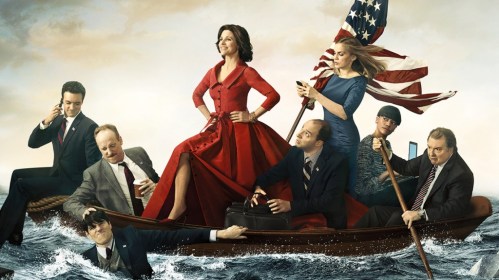
In sticking with last week’s theme, I would like to once again talk about a light hearted politically based piece of entertainment: HBO’s Veep. With all of the really heavy articles and interviews and tv segments, all of the blogs and podcasts and tweets, we need a bit of a reprieve. To cure this political hangover I highly recommend watching a couple of episodes in a row and laughing ’til your face hurts. In a less toxic environment than what currently makes up our reality, Vice President Selina Meyer (Julia Louis-Dryfus) and her staff show us what it is like to be the second in command. All the ups and downs of the position play out in stunning comedy as the team navigates “safe” ice cream choices and tries to keep on top of pregnancy rumors. Those two things do happen in different seasons but the gamut of how-could-this-go-wrong situations that continuously present themselves to this team are phenomenal.

There are plenty of jokes about the job of Veep…it’s a runner up position, they don’t get to do anything, they’re just waiting around to become number one…but it is really interesting to get insight into the job. Sure, there are shows like West Wing and House of Cards that put a president in the core of their cast. Not Veep. In fact, it is a running joke through the show that we don’t actually ever see the Prez or indeed learn his name (at least not yet and I’m in season three of five). Here we get to see the nonstop duty that this position is and also how a woman(!) is handling it. Meyer’s team of Amy, Dan, Gary, Mike, and Sue make the office run as smoothly as they possibly can. And while this isn’t always achieved, it shows the human side of these people. Sometimes, the phone call that you’ve been waiting for happens right after you’ve put your phone in a phone bowl at a wedding. Sometimes, you walk through a solid glass door and end up looking like you’ve just attended an Edward Scissorhands meet and greet.

I like this aspect of it.

Just as with last week’s recommendation, Veep also focuses on the human side of politics. We get to see an even keel of victories and failures and this coming from an office that is very frequently overlooked.

Each of the core characters that make up the Veep staff add to the comic genius that plays out every time something goes wrong. Holy moly stuff goes wrong a lot. For example, from the get go we learn that the big issue that Meyer plans on tackling while in office is Clean Jobs which is a stance against oil for clean energy jobs and technology. First big thing that goes wrong is that POTUS (as he is very frequently referred to) wants someone from oil to be in on this initiative. Things like this continue to happen over the course of the season and the series as accomplishments are marred by hiccups all the time. It makes for great satire on what has become a really depressing subject.

To close, I was listening to an interview a while back with Tony Hale and he was talking about how much they film in proportion to how much actually makes it to the screen.While the show has some really amazing writers, the cast itself is pretty crazy in their takes. With comic genius going for several straight minutes, I have cried laughing several times. So if you need a reprieve from the depressing headlines, cure your woes with some Veep. 

vice-presidents


Presidential – The Washington Post

presidential-podcast-2100_gw.jpg


Hello there, y’all! Happy President’s Day or happy two-days-early-birthday to President George Washington! On this happy day while Congress has been given the week “off” I encourage you to take a look at the presidency in a different light. The Washington Post, beacon of truth that it has been through the decades, has a new(ish) podcast out which is really rather enjoyable! I’ve never talked about a podcast on this here blog but, much like with audiobooks, if you’re ingesting words, it counts. Like books and movies, they are a way to escape reality for a moment.

Presidential goes episode by episode through each president’s tenure in office while looking at various aspects of the make-up of these men. What discerning character trait did John Adams have that allowed him to follow after Washington stepped away from office? Who is overlooked and why? The introduction of the “campaign”. These episodes are chalk full of little tidbits that you didn’t know about the Founding Fathers, the presidents during the Era of Good Feelings, and up through the present. Our host Lillian Cunningham is a reporter at TWP and her guests are people like the keepers of the keys at the Library of Congress, Pulitzer Prize winning historians, and Bob Woodward. There is a running question throughout the series where Lillian asks the historian on what it would be like to go on a blind date with the episode’s gentleman. Pieces like this really humanize these people some of whom lived over two hundred years ago.

I am currently on Andrew Johnson, president number 17 and I cannot get enough of these stories that are retold and relayed by these historians. Letters, diaries, and papers are all provided as sources for the information you learn in these episodes. For instance, AJ here was piss drunk at Lincoln’s inauguration and gave a really embarrassing speech…weeks later he was sworn in after Lincoln was assassinated. John Quincy Adams was the first son of a former president to hold the office and was also the only man to hold elected office after leaving the presidency. He went back to Congress and worked hard to fight slavery. In fact (this is one of my favorite recountings so far) there was a motion to make the word “slavery” illegal on the floor as it was becoming too much of a hot button issue in 1836. JQA went and got himself in trouble on purpose by saying the word. Now, as per the rules, he had a chance to defend himself of this action and he took advantage of this, his time to speak, and ran with it for TWO WEEKS talking about the injustices of slavery. This in and of itself is amazing and then as the story comes to an end and the episode is winding down we learn something else: who was a first term Representative at that same time but Abraham Lincoln. Bits like this make that whole thing so intricate and fascinating.

It really is amazing how far we’ve come in this country considering our government was put together by ideas proposed by men who didn’t really know what they were doing. George Washington espoused the belief that he was not fit to run the country and was firmly and vociferously  of the mind that he had no  idea what he was doing. We have been led by these men who have differed vastly in their ideals, these men who supported and encouraged the guidance of others, and whose legacies set examples for history. Our country has had its ups and downs (and there have certainly been a lot of both) and it is incredibly important to know where we’ve come from. How did we get from one to 44? How did we get to where we are now? This is monumentally important…to put it in presidential terms.

So whether you just listen to Obama and Kennedy or if you listen to them all in order, Presidential should definitely be on your radar.

…and so should this picture…

abraham-lincoln-sexy-photos-17.jpg


Late to the table: Arrested Development

arrested_development_cast_promo_photo

Upon scrolling through Netflix’s recommended section, I was repeatedly receiving Arrested Development as a suggestion. I had always heard great things about the original series…it was popular while I was in high school but I never got around to watching it. There is no question, now that I have viewed the series in its entirety that I don’t agree with the small masses that make up the cult following of the show. This entry though is specifically about season four. The “Netflix season” if you will. This season is also something that I had heard about …however nothing really good. At first, I must admit, I was in the same camp. The sets were slightly awkward as the show had been off the air for seven years. The dialogue was slightly off as if the writers and the actors took a bit to adjust back into their character’s grooves despite Mitchell Hurwitz (most recently he produced Lady Dynamite which you NEED TO SEE) returning to help co-write a majority of the episodes.

After tearing through the first three seasons in two weeks, I was hesitant after three or four episodes of season four. However, I couldn’t not finish it after all the time I had already invested. So, I soldiered onward and found that I ended it with a new found appreciation.

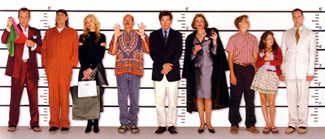
The Netflix season is structured differently than that of the original run. While there is still the premise of a show being shot about the family (complete with Ron Howard’s narration and the characters being aware of the cameras) there is one central storyline that unfolds and we see each character’s perspective; their side of the events. This creates a very interesting theme set around how each of their actions has impacts, sometimes unknown, on other people’s part in the story. It showed the interworkings of this family whom we have come to hold dear for reasons unexplainable. They are, after all, lying, cheating, connivers. What makes this way of storytelling even more interesting is that there are so many players involved and because of that so many avenues to explore. Including George Sr.’s twin there are 10 members of the Bluth family.

Picking up the storyline where it was left, we dive into the whole family being held in a police station after the events of season three’s finale. Lucille had tried to steal the Queen Mary, George Sr. had just been cleared of treason charges, Michael and George Michael had returned from their once again failed attempt to leave the family to their troubles, and many other pieces of the puzzle. Without explaining all of them: know that they were all there at this station. We bounce back and forth between the events here in the station and what comes after them with the understanding that it has been five years (not seven) in Bluth reality.

The through line slowly unfolds like like a bloom in the spring and each episode is labeled/assigned to a specific character. In doing this, you know that most of the episode is going to be dedicated to that character and the small degrees of separation between each person’s tale. It really becomes fascinating how something you do, it might be something small and insignificant to you, might effect someone else in a big way. It also serves to illustrate the seemingly isolated lives these characters live in that their actions so immediately impact each other. This way of unfolding highlights a couple of other points as well: those who don’t seem to have too much overlay (ex. Buster and George Michael) are brought together in the culminating scene of the tale (the night of Cinco de Quatro), and, while it is always insisted that “family is first” by the Bluths, each is in their own little world. While this is a fact we already knew from the original run, this sort of individual attention of their lives seems to showcase it even more.

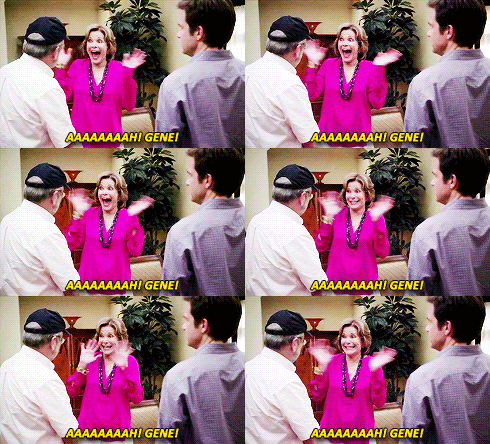
Outside of the interesting approach to storytelling, the reoccuring guests that appear over the course of the season really help give it a new feel despite old events occasionally being brought back up. There are familiar faces: Henry Winkler reprises his role as the Bluth family lawyer and is as incompetent ever, Gene Parmesan played by Martin Mull (the scenes where Lucille is surprised by his appearances make the whole show for me), and Kitty Sanchez the stage five clinger played to perfection by Judy Greer, and Liza Minnelli as the most unlucky neighbor Lucille 2. Then there are newcomers that bring even more charm and crazy to the table: Terry Crews as Herbert Love running for a seat in the House and Isla Fisher as Rebel Alley (an illegitimate daughter of Ron Howard). z1y2yyw

All of these elements: the story and how it unfolds, the characters new and old, and the awkwardness of the show in general made for what I found to be an enjoyable conclusion to our window into the lives of the Bluths. Again, all that being said, I totally understand where all the hate came from in reviews. I was really happy that I saw it through and didn’t give up.

What I take away from this experience is that even though Netflix Netflixed the season (made it shinier and a bit off), it worked. Now if only the same could be said for season two of Kimmy Schmidt.

  1. lcwqnsq

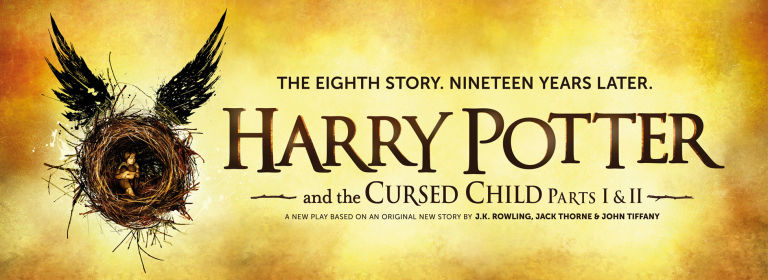
Harry Potter and the Cursed Child- Parts 1 & 2

gallery-potter-cursed-child-poster-1

I have, for many reasons,been putting off reading this playbook. When the series ended, I was content with its closing and was even glad of the epilogue showing that light can come to those who have faced the dark. This is one of the main reasons I was hesitant in picking up any sort of continuation of the story. That being said, I do think that there are so many tales that can be told from this world, which is why I am so excited about Fantastic Beasts coming out this week. So it was with much skepticism that I dove into Harry Potter and the Cursed Child.

HPCC was written for the stage by Jack Thorne and was based on an original story created by Thorne, J.K. Rowling and John Tiffany. A couple decades have passed since our trio left Hogwarts. Like we learn in the epilogue, Harry and Ginny end up together as do Ron and Hermione. Their kids are going off to school and it is here that the Potter’s middle child learns that he will be in Slytherin along with a boy who seems to be his only friend throughout: Scorpius Malfoy. The tale focuses on a couple of different parental relationships, how the younger generation are impacted by the past actions of their parents, and the importance of thought before action.

Albus Potter is the middle child. He often feels over looked and under appreciated. One night, in a heated fight, Harry accidentally comes back with a retort to the effect of “I wish you weren’t my son.” Ouch. This has a noticeable and obvious impact on the boy. Another important argument (this one Albus overhears and is not directly involved in) is had between Amos Diggory and Harry in which Amos blames Harry for Cedric’s death. All these many years later he is unable to accept the loss of his son and dwells on the fact that he was the “spare”. Collateral damage. The feeling of being the spare really resonates with Albus and he decides that preventing Cedric’s death would be a good course of action for setting things straight.

I don’t really understand this logic. This mission of his just doesn’t reeeeally make sense.

At this same time a Time Turner is discovered and taken in by the Ministry (oh yeah, Hermione is Minister for Magic, whaaaa?!) and isn’t this just perfect since Albus has decided that going back in time is exactly what he needs to do. How. Convenient.

So he and Scorpius go back in time to the Triwizard Tournament (a.k.a. book four). And wouldn’t you just know it but they mess shit up. Like really really badly. What frustrates me so much about this idea of theirs (which the story is largely based around) is that they are so inconsiderate of their actions and don’t even pause to think what undoing something that had happened two decades prior would do to the present. Preventing someones death that far back….I can’t even begin to fathom how many wrinkles that would produce. Which is why it seems so implausible. These kids have grown up in the wizarding world. Don’t you think they would be aware of the repercussions that something like this could have? I can see how there would be a counter argument formed: if they are living in a world in which all Time Turners had been abolished (/destroyed) maybe the perils of time travel weren’t taught to them. I don’t know. What I do know is that their ignorance sure does not create bliss.

When they get back to the present all sorts of things have gone haywire. So what do they do but decide to go back AGAIN to right what they’ve wronged. This time they travel to the second task and guess what…they eff some more shit up. When they get back to the present some people (including one of our main characters) weren’t even born! That’s how messed up things get. Also, Voldy is alive and well in this new present. Great. Now, to fix this, time must be travelled through…again.

This goes on and it is a total of four times that our characters traverse the time stream. Unbelievable.

A complaint that I have heard/read from many Potter fans is that the way Harry treats Albus doesn’t match up with the character we all grew up loving. I totally see where these thoughts are coming from. There are definitely some lines that I had to reread and recheck who the speaker was because it just seemed so out of touch. However, to that I say: Harry is a parent in this time. We have never before seen him in this role. So obviously there are going to be new facets of his character with which we are not as familiar. I mean, 20 years have passed, ya know? I definitely hope that some my 17 year old self’s traits evolve by the time I’m 37 (I’m about midway through that evolution and think things are going quite nicely…but I digress).

When all is said and done, I did not hate the read but I was not over the moon about it. It is very easy to get through because it is dialogue and stage direction and not any sort of expository “stuff” or narration. I would definitely encourage all Potter fans to check it out but I would caution them to go into it with an open mind. This is the story of Albus Potter despite Harry’s name being in the title. This is a play and not a book and as such should be viewed for what it is: a different medium. This is extensive fan fiction flushed out by Rowling and not penned by her. This is one to add to your Rowling shelf in the hopes that more stories (written by her or not) are to come.

Banned Books Week 2k16

banned.jpg

Sunday September 25- October 1 is 2016’s Banned Book Week. Since the 80’s the designated week is a time for teachers and parents to encourage their children to read books that push barriers, broach hard topics, and create engaging conversations. Every year the American Library Association keeps tracks of all of the titles that have been challenged or banned in both school and community libraries.

When I was a freshman in undergrad, I did one of my year end projects on the ALA and banned books. It was so interesting and also somewhat mind blowing to research some of the reasons that certain titles are banned. “Sexually explicit” content and “language” are the two most cited reasons that a title is challenged and the majority of the time it is a parent that submits the challenge. While these two reasons are understandable for a parent to say, “hold off on reading this title” to their child it does not give them the right to make that decision for an entire school or town. Censorship on literature is just one more way the sheltering parents of today are blinding their kids to the world around them. This topic makes me so mad! Encouraging children to read is one of the most important things in a child’s young life; it is an incredibly fundamental part of embarking on their education. However, when a person steps in and denies any title to someone, that is just unfair.

The top 10 most frequently banned books of 2015 were

  1. Looking for Alaska, by John Green
    Reasons: Offensive language, sexually explicit, and unsuited for age group.
  2. Fifty Shades of Grey, by E. L. James
    Reasons: Sexually explicit, unsuited to age group, and other (“poorly written,” “concerns that a group of teenagers will want to try it”).
  3. I Am Jazz, by Jessica Herthel and Jazz Jennings
    Reasons: Inaccurate, homosexuality, sex education, religious viewpoint, and unsuited for age group.
  4. Beyond Magenta: Transgender Teens Speak Out, by Susan Kuklin
    Reasons: Anti-family, offensive language, homosexuality, sex education, political viewpoint, religious viewpoint, unsuited for age group, and other (“wants to remove from collection to ward off complaints”).
  5. The Curious Incident of the Dog in the Night-Time, by Mark Haddon
    Reasons: Offensive language, religious viewpoint, unsuited for age group, and other (“profanity and atheism”).
  6. The Holy BibleThe Holy Bible
    Reasons: Religious viewpoint.
  7. Fun Home, by Alison Bechdel
    Reasons: Violence and other (“graphic images”).
  8. Habibi, by Craig Thompson
    Reasons: Nudity, sexually explicit, and unsuited for age group.
  9. Nasreen’s Secret School: A True Story from Afghanistan, by Jeanette Winter
    Reasons: Religious viewpoint, unsuited to age group, and violence.
  10. Two Boys KissingTwo Boys Kissing, by David Levithan
    Reasons: Homosexuality and other (“condones public displays of affection”).

As you can see, these objections are not confined to newly published titles . I Am Jazz is a kids book about a child who dealt with transgender issues and was published in 2014. It is based on real events in the author’s life yet one of the reasons for it’s being banned is that it is inaccurate. EXCUSE ME?!?! REAL EVENTS!!! While the “reasons” for banning a book vary, there is a common theme that is easily detectable. If someone doesn’t agree with something or might be afraid of something due to close mindedness, then it is challenged. Some of my favorite books and titles that have really stuck with me are on these lists. From 13 Reasons Why to A Wrinkle in Time, there is no genre or style that is safe!

According to the ALA, “a challenge is an attempt to remove or restrict materials, based upon the objections of a person or group.  A banning is the removal of those materials.” While it is difficult to push through a ban, that doesn’t stop the attempt nor does it lessen the amount of challenges submitted each year.

Organizations such as the ALA and the Banned Books Week campaign are incredibly important in drawing attention to the titles that receive the most scrutiny and hate. There are amazing lists on the ALA’s website which show the top 100 banned books, break lists down by years, and keeps track of all the ludicrous ideas behind why a title should be taken off of a shelf. The Banned Books Week website has a breakdown of events that take place in each state that promote literacy and encourage reading.

I highly encourage you to cruise around both websites and get involved with your local libraries and bookstores particularly this week as they make an extra effort to get knowledge (and a good read) into the hands of anyone who wants it.  There are usually really great displays that libraries and bookstores will create to show off popular banned titles. This always makes me so happy to see because it is putting all of these “dangerous” works into one space and defying the challenges put forth by those who would see them disappeared forever.

Gilmore Girls Comeback

gilmore-girls-big


This week’s post is dedicated to a show that my mother, sister, and I have been fans of for years. We would sit and watch it live every week back when that was still a thing. Before binge watching and DVRing and Netflix and chill we would watch the entire 22 episode season (yes, 22 whole hour long  42 minutes long episodes).

Gilmore Girls began October 5, 2000 and ran for 154 episodes on what was originally the WB and is now the CW. The show chronicles the lives of the mother daughter duo Lorelai (Lauren Graham) and Rory (Alexis Bledel) Gilmore who live in the quaint town of Stars Hollow, CT. The phrase “it takes a village” is very apt over the course of the seven years of the show up to the very last episode and we are introduced to townspeople in season one who are prevalent throughout the series. Show runner Amy Sherman-Palladino does an amazing job of making Stars Hollow a real community, not just a TV town. There are town meetings and community issues and small town romances, I could keep listing but I won’t. The show itself centers on the Gilmore girls, however all of the supporting characters really contribute in making the show as quirky as it is.

gilmore-girls-slice-600x200

Over the years we experience first love with Rory, her acceptance to Yale, and watch as she grows from the quiet junior at a private high school at the show’s open to the determined and ambitious Yale graduate at its close. Lorelai goes from managing an inn to opening and running one of her own, with the help of business partner Sooki St. James (Melissa Mcarthy).

It is a show about growing up and being true to yourself no matter what. The senior Gilmores are upper crust Mayflower descendants. From the Pilot we learn that Lorelai left this life after becoming pregnant with Rory at 16 to be independent and raise her child how she wanted, out from under the thumb of her mother. A central theme of the show is family. Whether you like it or not, your family is your family and while Lorelai and Rory are strong and independent women, they still need their family from time to time. And it isn’t just blood that follows this theme. Sooki and Lorelai are the best of friends and Rory’s friend Lane is her rock in times of need. By this extension community also runs deep.

Recently, I rewatched the series for the umpteenth time. Gilmore Girls is one of those shows that is just so comforting and is so relatable to a smattering of demographics. There is a closeness that Lorelai and Rory have that I don’t think I’ve seen in any other show. They are best friends and it is was always so wonderful to see that on TV instead of arguing and acting out.

When I found out that there was going to be a revival on Netflix, I was over the moon with excitement. Everytime there is an update on Facebook, I tag my mom and sis. When it is mentioned on IMDB I immediately stop what I am doing to watch or read whatever has been released. This is something that, no matter how many miles separate us, we will be able to watch together and get excited about. While there is not always a good product from a revival (I didn’t even try watching Fuller House), I know and have faith that this one will be the exception. You see the series did not end how Sherman-Palladino had intended.

It came out that the Sherman-Palladino team had been treated less than was desirable by the network for several years. There were contracts for the show, for the actors, but not for the writer or her husband and directing partner Dan. The duo tried for contract negations and were met with silence. So while the show carried on for it’s seventh and final season, the creators were not there to see it closed. And while the show ultimately ended in a nice neat way, it was not the ending that Sherman-Palladino had had in mind all those years.

This is why the Netflix news was so exciting to hear! All of the original cast is returning, which was no small feat as many of them have gone on from the show to achieve really great success (most notably Melissa Mcarthy). And to top things off, Amy and Dan are coming back! There will be four episodes that are each an hour and a half long and they will represent one season of the year, hence the title of the miniseries Gilmore Girls: A Year in the Life. 

The four new episodes debut on November 25 (the day after Thanksgiving) and I cannot wait to Skype with my mom and sister and hear that theme song once more because where the Gilmore girls lead, I will follow.

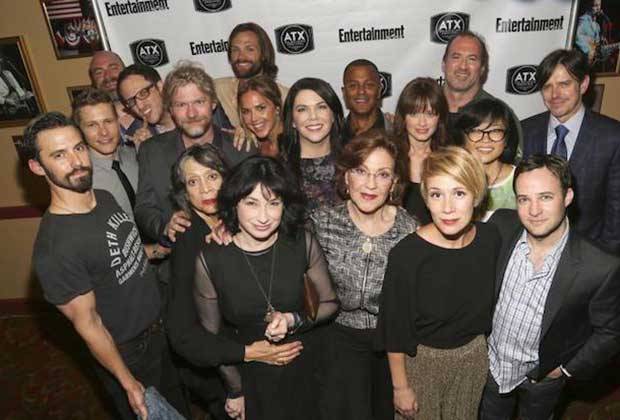
gilmore-girls-revival-amy-sherman-palladino
Full cast photo at the ATX Television festival in Austin, TX where the cast was reunited and the revival was first hinted at.

pseu·do·nym /ˈso͞odnim/

pseudonym


In the 2001 movie Monkeybone, cartoonist Stu Miley (Brendan Fraser) switches the hand with which he draws his pieces. The result is that his creations go from dark twisted nightmares to this goofy monkey and his human pal (think Garfield as a monkey). This concept got me thinking about pseudonyms and the persona that is developed by and within an author’s works. In today’s publishing world many authors, both well established and those just starting out, create pen names under which they publish. The reasons for this vary from author to author: just starting out and trying to establish a name with spunk, switching genres and therefore perspectives, or trying to get away from an already established name. There are many great authors to think about who do this and I have a couple favorites.

Lemony Snicket is a mysterious, enchanting and hypnotizing storyteller (and no, he is not standing here dictating this sentence to me). He has published the accounts of the Baudelaire children and their escape from the dastardly Count Olaf. They have suffered a very hapless timeline, quite tragic really; but man are they brave children. The siblings are put through the ringer whilst trying to get to the bottom of their parents murders (which were covered up by a fire). According to his website Snicket is “insatiably inquisitive” and can only be contacted via HarperCollins Children’s Books. Snicket very rarely appears at book events, although it has happened on select few occasions. More often than not, Snicket’s handler is in attendance to answer questions to the best of his abilities and remind people how aloof his charge is. This man is one Daniel Handler. Mr. Handler leads a “relatively uneventful life” and is also the author of three books that are not for children. This past fall Daniel Handler spoke at the gala fundraiser for the 20th annual Texas Book Festival and at the fest itself. He is very interesting to listen to…quite captivating. He loves his fans and, after one of his panels, went out the front with the crowd instead of out the back. Taking picture after picture, joking the whole time. These two individuals seem to be vastly different in both character and in social settings. Now, I’m going to divulge something to you: they are one in the same. <<pause to allow gasps>>  While switching seamlessly from Snicker to Handler and back, Daniel composes symphonies, writes a column in which he discusses Nobel Laureate’s books, and writes books for non children folk.

In 1977, Richard Bachman published Rage, his first book. Over the course of the next few years, he published four more books all of which did moderately well on sales. It was after his title Thinner was published that it was revealed that Richard Bachman did not exist. All that time horror master Stephen King had been writing under the pseudonym. He reportedly was interested in seeing how his work would do if nobody knew it was his. Was he at his level of success because of his name or because of his words? (See his essay “The Importance of Being Bachman” here.) At the time of his reveal King was working on Misery which he had planned on releasing under Bachman’s moniker (I think Misery is my favorite of his works. It’s so creepy and plausible and they’re out there in the snow. Eep!) In this case, the writing style and genre were the same; that’s how he was found out. In addition to wanting to see how his work would fare on it’s own, King was feeling restricted by his publishing house who were only releasing one title of his a year so as not to over saturate the market with his “brand.” Seeing the loophole in this, he convinced them to put out titles under the name Richard Bachman.

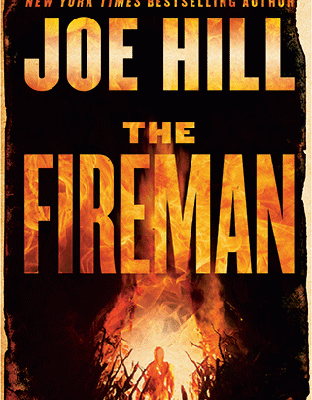
Not unlink his father, Joe King publishes under the name Joe Hill so that his work stands away from his father’s shadow. Hill has produced some really amazing works like Horns and The Fireman even after it came out who he was. In 2007 he issued a statement confirming his parentage but not before having obtained respect in the literary community, being awarded a Ray Bradbury fellowship and also receiving for his short story collection 20th Century Ghosts the Bram Stoker Award.

Lastly, I would like to bring up Joanne Rowling. We all the know the story of Harry Potter being rejected by 12 houses (publishing not Hogwarts) but many aren’t as aware of the fact J.K. is just as much a pen name as Robert Galbraith. While they were smart enough to pick up her manuscript the publishers silly thought that young boys would be not as interested in reading a book by a woman (which doesn’t make any sense, as young boys throughout history have been told fantastic tales by their mothers and grandmothers and you would think that would inspire something or just all together not even matter, but whatever) and as such asked her to shorten it to initials and her surname. Thus, J(oanne) K( Kathleen) Rowling was penned. Joanna as her full first name and Kathleen from her grandmother’s name as she had no middle name). The success of the Harry Potter series has brought such fame to Rowling and her name that when she put out her first non Potter title after the series ended, Casual Vacancy, everyone waited on baited breathe. However, Casual Vacancy was not by any means a success. I actually stopped reading about 80 pages in because I didn’t understand any of the small town British government lingo and honestly, it was boring (although the HBO adaption is actually good for a watch). So, several years later when new crime writer Robert Galbraith burst onto the scene and awed critics and readers alike, the world was none the wiser to the fact that Jo had but out a new book. The Cuckoo’s Calling is a really solid read. I highly recommend these books, peeps. The news that Rowling and Galbraith were one in the same came shortly before the release of the second book in the Cormoran Strike series. Discovered by a reporter and confirmed by Little Brown, the news was followed by a reprint of the books which had quickly  sold out. There are now three books out by Galbraith and here is to hoping that another is announce soon. The complete departure from fantasy and the hard right turn at gruesome mysteries is very well done and really exciting.

In addition to the authors mentioned here, there are many well known writers who publish under more than just their given name. From C.S. Lewis to Agatha Christie to Dr. Seuss, the list is probably much more expansive than you might initially think.

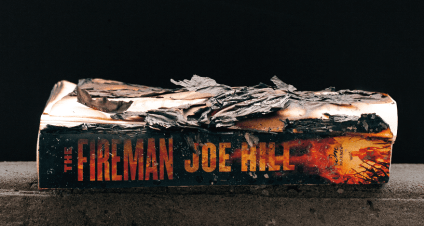
The Fireman by Joe Hill

Well y’all. I did it. I finished the behemoth tome that is Joe Hill’s latest, The Fireman.

What. A. Journey.

<<Spoilers ahead. You’ve been warned.>>

Tapping out at 747 pages, The Fireman follows Harper Grayson née Willowes as an airborne spore destabilizes the world. We sit with Harper and Jakob in their New Hampshire living room in the first chapter and watch as the Space Needle in Seattle burns on the news, watch people jumping out of windows to escape the all encompassing fire that makes up these pages. The sickness is Draco Incendia Trychophyton and it creeps into you without causing any harm at first. You breathe in the infected air and slowly, lines begin inking themselves in intricate patterns; one here, one there. At first. Then it covers your whole body and your insides reflect your outsides; the Dragonscale begins impacting your very make-up.

If you paid any attention in Latin, or have any Harry Potter knowledge you recognize the first word in the disease’s name. Draco, dragon. It’s pretty easy to infer Incendia after that. When the spore begins feeling (feeling?) that the host is threatened (anxiety, sickness, fear) it begins to save itself. The host, the human, the body combusts and burns from the inside. Our lovely Harper is a school nurse who, after schools shut down and institutions begin crumbling (which happens pretty quickly as this book spans a little over nine months…) begins volunteering at the hospital where the sick and infected are asked to stay/are corralled and kept. It is in this setting that we first meet three of the four people with whom Harper will primarily share this journey. First is the Fireman.

Our title character is charming and aggravating (as most are) and British (think Rufus Sewell). And as the world is breaking down and falling apart this fireman is bringing in an injured, deaf boy Nick to the hospital (the whole time I pictured Ben from Stepmom). Neither of them seem to show any visible signs of the ‘scale, are not complaining about the usual symptoms. After much debate, they are waved through to the small portion of the hospital still seeing non-‘scaled individuals. We don’t see them again for a bit but fret not fellow swooners, the Brit comes back. Next, we meet Ms. Renee Gilmonton who is the just the absolute sweetest lady. She reads to her fellow infected hospitalmates, primarily the children; keeping them calm and relaxed (Renee reminds me of Oprah, not glam Oprah, but the Oprah of that famous camping trip with Gale).

Anyways, now that you’ve got some visuals, let us move right along.

We quickly discover with Harper as our guide that she is not only pregnant but she is also infected and boy howdy let me tell you, Jakob is not happy about this combo. So not happy, in fact that he actually blames her for having a Florence Nightingale type syndrome in which she can’t leave people be. Yeah, because that’s a bad thing. Jakob is a grade-A-Scott-Disick-type-douche; something that is apparent from the first time we see how his name is spelled. After he leaves Harper alone for in their house for days (weeks?) he comes back and suggests they kill themselves. Yup. She has it, so he infers that he has it. There is no conversation of should we or shouldn’t we, no concern for the fact that there is also their unborn child to consider, nada. Let’s just do the damn thing is pretty much his attitude. The reader is able to very quickly realize that not only is Jakob an ass but he is also legit crazy. His decision on the matter has been made up and as Harper tries to get away from this nutcase, with whom she has very quickly fallen out of love, she runs UPSTAIRS to escape him. Because that always works so well in the movies, right? I won’t say anymore on the manner of her escape because it is super tense and I would like you to feel that anxiety along with Harper as you read for yourself the measures she takes to get away from him.

And obviously she escapes because there are still 700 pages left in the novel.
JoeHill-1600x856.png

After our heroine ditches the psycho we arrive at Camp Wyndham which is where the second act begins. Where better to hide a growing group of infected than an abandoned summer camp? It really is a great setting. Here we meet Ally, Nick’s older sister. Ally, Nick, and their family began bringing in infected to the safe haven of Wyndham pretty early into the epidemic and this is where Harper finds community, safety, and a chance to breathe…and sing. This is a community that is no great risk of burning up for they have found refuge in harmony.

Throughout history, fear has always inspired hatred and that is incredibly prevalent in the world of The Fireman. Society very quickly devolves into an “us and them” type divide and the small bits of news we hear on the mostly static filled radio demonstrate this. Cremation Crews are formed and murder goes from frowned upon to commonplace. Throughout the whole book, Hill keeps his characters very black and white making bad guys and good guys very easily discernible (with an exception towards the end of the second act). The divide between good and evil and right and wrong is prevalent throughout. This is something that goes beyond the characters and extends to morals and beliefs. What is right to a “bad guy” is not what is right to a “good guy” but who is to say which is which? If you were not infected and viewed those who were as a threat to your well being and that of your family’s, then you would protect yourself in whatever way possible, right? If you are infected but not dangerous you would want to live and not be put down/out of your misery because you wouldn’t be miserable. Perspective is very important in this tale despite the fact that ours as readers never shifts.

Sprinkled through the middle of the book are mentions of an island that has remained under the care of the CDC despite the collapse of all other official acronymed orgs. Martha Quinn’s island (yes, that Martha Quinn) promises safety and developments and doctors. Sounds too good to be true; a point made by several in the Wyndham community. However as time goes on and disastrous events occur, it is clear to our little band within the camp that they need to get to this island one way or another. Harper is particularly keen to get there as it is unknown what the ‘scale will have done to the baby. And so, as the second act closes with a bell tolling, the final act opens with our heroes on a somewhat forced and hasty journey to the mysterious island. Miles and miles are crossed and mishap after tragedy follow our travelers.

Up until now there have been some pretty good plot twists, real solidly developed characters, and fairly good pacing despite the book’s page count. There are amazing pop culture references throughout (his description of how J.K. Rowling meets her end is gut wrenching). However, towards the end, the last 100/150 pages or so, things begin to get pretty predictable. While this is an obvious bummer, you’ve got to give Hill props for keeping things exciting and juke filled for as many pages as he does. The Fireman offers readers adventure and romance, heartache and danger, terror and hope. There are factions of mankind that turn into despicable monsters and there are those who are able to keep their compasses pointed North in hopes that not all is ruined.

Hope burns fiercely in Joe Hill‘s The Fireman. 

 

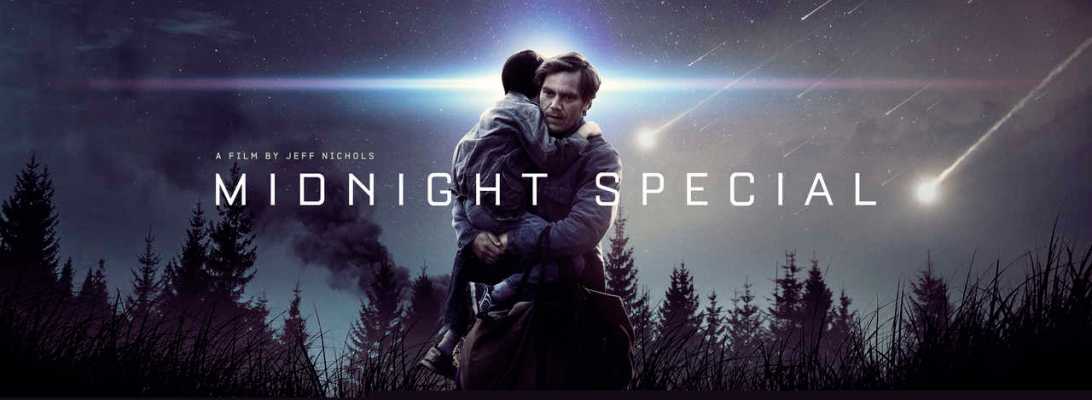
Midnight Special

The movie opens even as the production logos are still occurring with a voiceover of an Amber Alert being broadcast on TV.

Fort Worth, TX

8 year old male

white

Pan to: said white 8 year old sitting on the floor of a hotel room, under a sheet, reading Superman comics (intentionally done as these two films opened at the same time or funny little coincidence?). He seems perfectly at ease with his surroundings; not panicking or frantic as one would imagine a kidnapped child to act. When Alton (Jaeden Lieberher who got his start alongside Bill Murray in St. Vincent) is asked if he’s ready to go, he proceeds to the car with the men we assume are his captors. As they drive off into the night, the music hauntingly swells and it is apparent that we aren’t even close to knowing the full extent of what’s going on.

I went into Midnight Special without being too sure what I was about to see. Despite having watched the trailer and reading the synopsis a handful of times I was still unable to put in my own words what the movie was really going to be about. When this happens I’m even more excited for a film regardless of whether it turns out to be worth it or not.

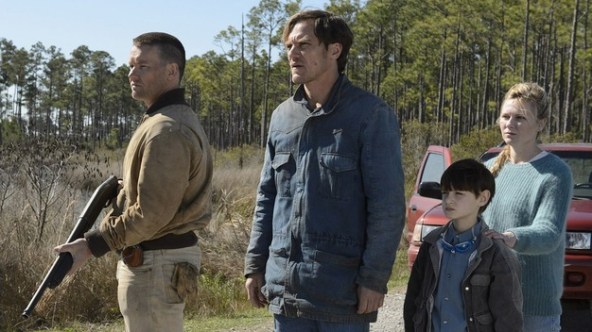
As the film begins to unfold we are introduced to two additional threads of the narrative. First, there is a church which exists on The Ranch (think YZF/ The Fundamentalist and include all the terrible hair styles). These folks, led by Calvin Meyer (Sam Shepard), believe that Alton is their link to God who has been communicating to them a day of reckoning. Then, there are the federal agents who have been monitoring The Ranch and are very interested in the “predictions” Alton has told the good sheeple which are taken as the Word and turned into sermons. Two agents are our main liaisons to the government’s involvement in the story: FBI agent Miller (Paul Sparks) and Homeland Security agent Sevier (Adam Driver). These men are trying to understand not only the church’s involvement but also the unexplained phenomenon that seem to follow in the wake of Alton, his father (Michael Shannon), and their Texas Ranger turned personal bodyguard Lucas (Joel Egerton).

The race to reach a specific location at a specific time is what moves the plot along and eventually leads to the different threads being sewn into one quilt. Most of the action takes place at night since Alton’s otherness causes sunlight to freak him out. As a result the visual tone of the film is very dark and blue with the score adding tension in all the right places. Being that I had no idea what kind of ride this was going to be, I really enjoyed the journey and the plot points (for being sci-fi) didn’t seem too far fetched. The revelation of who/what Alton is was very interesting and the reveal at the end was, again, interesting. I have a great deal of trouble with the ending of many sci-fi films; they always seem to let me down a bit. I enjoyed this journey however which is as much about a family sticking together (the above mentioned fellowship is joined by Kirsten Dunst as Alton’s mother) as it is about the kid’s powers. The point of mom and dad being there and helping you through anything hits home when Alton tells his dad that he “doesn’t have to worry anymore.” To which dad replies, “I like to worry about you. It’s part of the deal.”

Midnight Special in copyThe movie is slow to unravel, giving you just enough information after one point is explained to hook you again with another head scratcher. The entire cast did a really good job, in particular Michael Shanon (who I feel could play a really good Christopher Walken should the world ever need a bio pic on the old man….or maybe just his younger brother in some gritty drama) and Jaeden Lieberher who’s calm and composure add to the eeriness of his character. I’d suggest you go in without any thought of thinking you know what’s going to happen and just let the story take you on this ride. Overall I’d say Midnight Special was a pretty good flick, a solid B.

I still, however, don’t really get how the title works into movie outside of the end credit song being “Midnight Special” by Creedence Clearwater Revival but oh well…