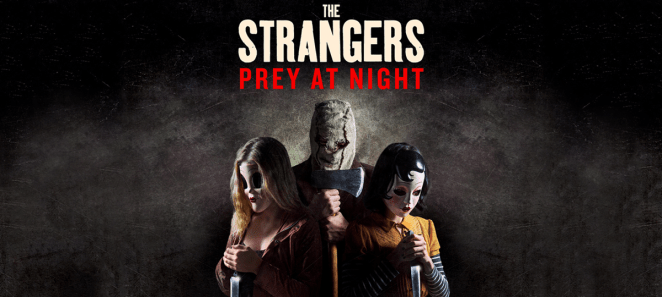
The unnecessary sequel

The-Strangers-Prey-at-Night-for-Blog


Major, major spoilers below.

It is rare that you will find me with a whole day to lounge on the couch with nothing to do, rare indeed. But, when it does happen, I will gladly watch crap film after crap film for as long as I can stay awake. This was exactly how my one day off a week was spent this last week. Sometimes, you’ve really got to listen to your body and sit still, damnit! So, with that being said, one of the movies I watched was the newish sequel to The Strangers which is by far one of my favorite horror films of all time. I rank it up there with Cabin in the Woods and the original Jeepers Creepers. That being said, part two was TERRIBLE.

The Strangers came out in 2008 at the height of the midnight premier craze. I distinctly remember driving home to my brand new student apartment after watching the movie. None of my roommates had moved in yet so I had this giant apartment to myself. It was really creepy! Now, this apartment was in a gated community, not in the middle of nowhere, and not on the ground floor. All of these things added up to mean that I was probably Not going to be the Strangers next victim. What the movie had done so well was keep everyone in the incredibly small cast in the same small area for the whole movie. There was no escape. And in the end, knowing that there was no way to ever identify these killers. Was this a real crime? Could the killer still be out there committing these atrocities?

The open-ended ending was perfect. We see them drive away but we don’t know if they keep on killing, if this was their first, and on and on ad infinitum. Their identities were never revealed and they remain at large which makes the conclusion perfect. It leaves you wondering but not necessarily wanting more.

What is most eerie about the stranger’s taunting of Liv Tyler and Scott Speedman in the original is that they are slow and in control. This is evident even in the way the scenes are shot, never too wide, there is always a bit of a cramped feeling – like there is no escape. Even when they are outside and running between the main house and the barn there are not too many wide shots. Additionally, they never feel unattainably unkillable, just like they have a better handle on things. They were planning mayhem after all and Tyler and Speedman’s characters were just looking to get some sleep after an emotionally taxing day. There were three of them, so the fact that one would knock on the door and another would be in the back is a totally plausible course for their actions. But they were timed realistically and never did anyone receive an incapacitating injury and then get up and further persist in their killing. Slow and deliberate.

Now, take all of that mastery of action (both in the writing and the way it was shot) and throw all of it out the window.

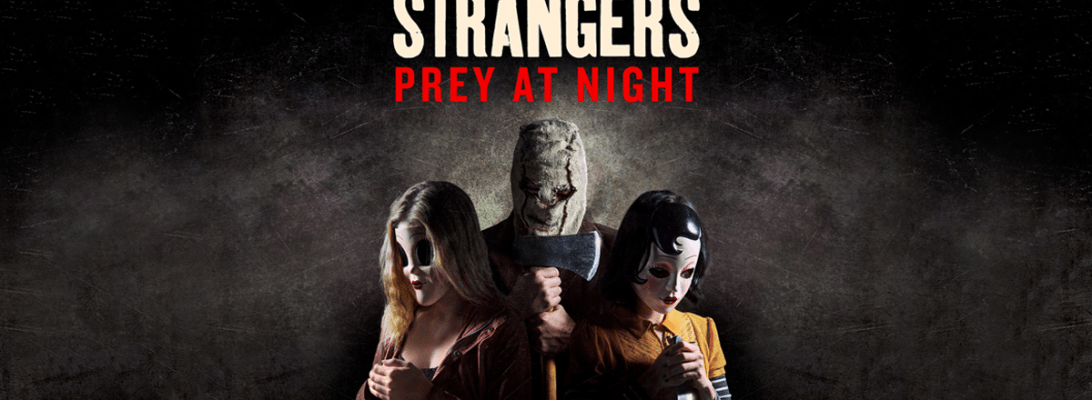
In the latest iteration The Strangers: Prey at Night we are taken to another remote location, this time with a family instead of a couple. Christina Hendrix and Martin Henderson play mom and dad respectively and Bailee Maddison and Lewis Pullman are the children. All of them have a pretty good chemistry and the dialogue seems natural, especially between Hendrix and Henderson. But that is where my praise ends.

The scripts were written by Bryan Bertino in both cases so I’m not sure where things start going wrong.

In Prey at Night the scene is set at an abandoned for the offseason trailer park. We begin by seeing the strangers’ killings in this park, more of what seems to be their at random killing. It is only after we gain a bit more insight that we realize that while these killings were occurring, Hendrix’s character calls and leaves a voicemail for a now dead family member, alerting the strangers of their imminent arrival.

WE’RE HERE! READY TO BE KILLED!

So, one of the aspects of the original is that we know there is going to be death, we see it in the opening of the movie, but there is not an actual murder scene until the very end. This slow build is what makes classics like Halloween so great, the building energy and anxiety felt by the audience inspired by small almost gotcha moments and chilling music. With PaN we get murder right out the gate so now we know the family is driving to their deaths.

A knock on the door of the trailer they check into prompts a question we are all familiar with, “Is Tamara home?” Nope! Bye! The porch light is unscrewed so we have the same, in the shadows, effect as in the original. Of course, after this creepy encounter, we still have the EVERYONE IN THE FAMILY thinking it is a good idea to split up. NO! STOP!

So as everyone begins traipsing across this giant trailer park, the four family members come to realize there are three masked people after them (Man in Mask, Pin-Up Girl, and Dollface). Maybe splitting up wasn’t great after all. As they all run around, the camera is consistently at a wide angle showing one of the strangers in pursuit of one of the family. This takes away the intimate feeling of them being right there and able to “getcha” as was the feeling throughout the whole entire original.

There is one exception to this when Maddison’s character dives into a tunnel on a playground in which there is a scene framed to misdirect you: Man in Mask has headlights pointed into the tunnel and out of nowhere Pin-Up appears and provides a pretty good jumpscare.

However, this leads me to my very next point. Up until the end of this scene, the chase had been between just the two of them [Man and Maddison] and then Pin-Up just appears out of the other end of the tunnel. The reason this is so irritating is that you have seven characters running willy-nilly through this park: hiding, seeking, double-digit numbers of trailers to choose from, playground, woods, clubhouse all of these different places and yet everyone is always one corner away.

IT’S IMPLAUSIBLE AND IRRITATING!!!!

At least twice, if not more, there are chase scenes that just don’t make sense because there is a queer ability of the strangers to just be there. Up until the very end when there is a car crash and a fireball engulfs both vehicles. It’s not just One shotgun shot you need to kill them, it’s Two! There becomes an unnatural persistence that by the end is just like, reaally?!

In the original movie you knew the strangers were there, hiding just out of sight. In this movie they literally pop into sight so quickly you don’t have time to breathe. The films have the exact same run times yet the pace of each of them is totally opposite. You’ve got a slow and steady demise of the main characters, stuck in one house with no escape…and then you’ve got a round-em-up chase story that doesn’t really match with the M.O. of the first.

Bertino has said that he wondered what it had been like inside the house for the Tate’s while the Manson family was murdering them. What was the victim experience as opposed to a cop piecing it together, getting it straight from the encounter? Now, just those two sentences have your mind wandering, don’t they? That is what the original feels like. Clausterphobic. No escape. No nice ending…you know the ending from go. Death. So final that we see the strangers from behind as they take their masks off and you know for certain that the end is nigh. However, one final wrongness of Prey at Night is the taking off of the masks and the way that those scenes play out.

I really hope there is not another movie in this series.

I’m done ranting now.
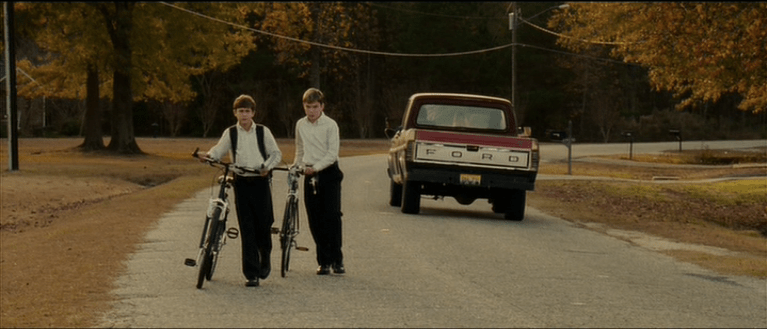
 

StrangersTruck


.

Byte-sized

headphones.jpg


Recently, I saw a listicle recommending the best one season binge-worthy series across several streaming platforms and I thought that this would be a great idea for podcasts too! So today we’re going to go through a couple of one season shows that span several genres. In the article Alternate Reality Podcasts, we covered several immersive storytelling/narrative podcasts whose production values were pretty stellar. Rabbits, The Message, TANIS, these have all been out for a couple of years now (and scale way above one season where TANIS is concerned) so what is new out there for our byte-sized attention spans? Lots!

Where to begin?

Let us start with horror. There are three podcasts I have in mind for this genre and they are all very different. First, we dive back into Halloween. Not just the holiday, but the phenomenon of the movie itself and the ethos created by the villain Mike Myers. The podcast is called Halloween Unmasked (The Ringer) and is hosted by Amy Nicholson. Listeners can tell right from the first few seconds of the first episode that Nicholson is a massive fan of John Carpenter’s work and her enthusiasm is unable to be missed. At some point within the first episode, I checked the playback speed because she was speaking so fast, it was set at regular, she was just speaking with such enthusiasm that she almost couldn’t keep up with herself. Once you get past that, this series is chock-full of interesting movie history that every film buff should have an awareness of. From tiny production details that make you smile upon rewatching the original to psychoanalysis of what someone who witnesses trauma goes through, this podcast will have you binge listening instantly – and if you’re really brave, you’ll listen to it at night while walking through your neighbourhood alone. My favorite episodes are three (the psychoanalysis one) and four (covering the Final Girl trend now seen in every horror film).

Next up is The Horror of Dolores Roach (Gimlet). Sounds promising, right? Horror is right there in the title. Man are you right! This tale is disgusting and disturbing on all the right levels. Imagine a modern day, politically correct, Sweeny Todd, whose main character is a woman of color who has just gotten out of jail after a long sentence. Dolores’ integration back into society does not keep her as “above board” as she wants. With a stellar voice cast that includes Daphne Rubin-Vega and Bobby Cannavale, we are taken through a gentrification allegory unlike any I’ve heard so far. The character development that occurs in the eight-episode run arches rapidly but is very well done and their morality is called into question as some pretty creepy decisions get made, causing the level of crazy to elevate quickly. Cannavale’s character welcomes Dolores into his home as soon as she shows back up in the neighbourhood and you have that feeling of “this guy is being a little tooooo nice.” It doesn’t take long for both Dolores and the listener to question where his motives lie. While the timeline of events feels a bit hasty at times, it makes you pause to think, how far would you go for love?

One more terror-ific cast to check out is Dr. Death (Wonderly) which chronicles the career and lawsuits of one Dr. Robert Henderson who is – or rather was- a spinal surgeon in Dallas, TX up until just a couple of years ago. This man was obstinately determined to continue in surgical pursuits even after several patients had become paralyzed after they let him operate on them. The show focuses on the mistakes and oversights which occurred right before and right after one of his colleagues finally calls him out on his malpractice. There are human, medical, and legal aspects to this show and each of them is as compelling as the last. How could someone have such disregard for those who trusted him, how had it never happened before, and what is going to happen to the communication and legal standards between major institutions like hospitals and the transparency they sometimes lack? Henderson’s case is ongoing and journalist Laura Beil is still reporting and creating up to date episodes, keeping the public informed as to the proceedings. Listening to this show provokes so many questions.

Now let’s take a total left turn: art history! Last Seen (WBUR and NPR) is produced in part by the Boston Globe and covers one of the most infamous art heists ever. With eight episodes out at the time of typing this and more to come, listening to Last Seen takes you into the world of art which is not always as accessible as a podcast might be. In 1990, the Isabella Stewart Gardener Museum was burgled in the wee hours of a mid-March morning. In a scene straight from a movie, the thieves disguised themselves as policemen to gain entry to the museum and then proceeded to tie up the guards and cut from the frames $200 million worth of art. There have been zero arrests and zero recoveries in this case and the agents at the FBI who have been working on the case for almost 30 years now have stated that they believe the original perpetrators to be deceased. But the mystery still remains as to where the paintings are and what has really happened in the intervening decades. You don’t have to be a fan of capital “a” Art or a well-versed historian to be interested in this mystery. There is plenty of intrigue to be had in these captivating episodes.

I will be the first to admit that I listen to far too much political content via podcasts. At one point this summer I stopped and counted what my weekly episode intake was and it was over 12! That’s too many. At a certain point, Rachel Maddow and the fellas at Crooked Media all come back to the same points. Underdog (Beto vs Cruz) (Texas Monthly), however, is not a nightly update on what our current disastrous state is. Instead, we get a close examination of a race which captivated the country: that of the Senate race between Beto O’Rourke and Ted Cruz. This podcast, produced by Texas Monthly, goes on the road with the underdog of the race, Democratic Congressman O’Rourke and examines how his campaign was run and what was so different about the momentum felt this year as opposed to years past. Texas has been deep red for almost 30 years and even high profile candidates like Wendy Davis have fallen short of beginning the shift to purple or blue. It is really nice to listen to something that is in the political sphere without having people yelling at you about national catastrophes and instead focus on the smaller, more personal aspects of a campaign. Despite the fact that the election is over, I would still encourage people to listen to this show. There is an excitement felt through the speakers and while hope is present, so is reality. The last episode in the season is a follow-up the day after election day. You can hear the heartbreak but you can also hear the determination. Refer to Presidential for further political listening that has nothing to do with the current political state.

Lastly, to tie it back to the first recommendation, Amy Nicholson and Paul Scheer have been going through AFI’s top 100 films of all time in the podcast Unspooled (Earwolf). After watching each movie, the two talk about what it is that makes each title qualified to be on this list. You can listen in order of episode or skip around to titles that you are more familiar with because each episode is self-contained. Yes, as the list goes on they begin to make connections between the films and the qualities they exhibit in getting on the list, but I don’t think that would diminish your listening experience.

No matter what your interest, there are so many great podcasts out there. With binge listening in mind for a lot of these, there is so much content to lose yourself in. Your ears will thank you.


Annihilation

annihilation

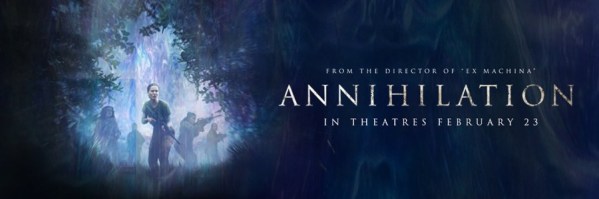
To annihilate something is to obliterate it; to cause something to cease existing. Such a finite word, such a fine word, don’t you think? The complete destruction of a thing. There is a menacing beauty in the complete erasure of a noun. This menacing beauty is captured in the enchanting work of Alex Garland (Ex Machina) in the newly released Annihilation. Adapted from the book of the same name, Annihilation is told to us in a disorienting non linear fashion. Lena’s husband has been gone for a year, Lena is in a clean room being interrogated and unable to remember things clearly, Lena explores a secret zone of national park that has been closed down due to the effects of a meteor. There is much that Lena (Natalie Portman) doesn’t know and the switching between time lines non chronologically makes for a perplexity on par with subject matter that is the cause for everything in Annihilation. The way that this movie and everything in it is shot makes for a dazzling and terrifying and smart film.

The dazzling:

The Shimmer is a biosphere like dome that is slowly expanding and enveloping the lands around a lighthouse which was hit by a meteor. The teams that go in to the Shimmer don’t return so no one has been able to gauge what goes on inside. We journey with an all female team of scientists to see what is on the other side. Three years have transpired since the initial impact and in that time the life inside the Shimmer has had time to grow and thrive in a beautifully alien way. Every shot of the environment inside somehow contains a rainbow whether in light or in flora and fauna. The scenery is at times scary and yet beautiful at the same time. There is a scene in a drained swimming pool that shows death and life intertwined so organically and you sit there thinking about how breathtaking what you are looking at is…and then you remind yourself what you are looking at…and its terrifying.

The terrifying:

The amount of times I realized that I was holding my breath was pretty high by the end of this film. “The monster” is so thoroughly portrayed and yet still unable to be understood. Crocodiles, bears, each other, and on and on…the tricks that this film play on your mind are never ending. One thing that I loved was that you would start to feel comfortable as an audience member, thinking that there was a definite genre path that a scene was taking and then all of a sudden something totally different would happen (again with the disorienting) and you would be left speechless or scared. Garland does not over explain Anything. This is one of the most well paced part one films that I feel like I’ve seen in a while. By the end we are left with as many questions as we had in the beginning, if not more. The enigma that is the Shimmer is so appropriately otherworldly and as we are taken deeper and deeper in we see an endless amount of possibilities that revolve around the very make up of life on Earth. Biology and DNA are used to explain terrifying sights, psychology is used to explain the terrifying behavior of humans under extreme circumstances, nature is used to show us how terrifying our lack of understanding is. All of these elements combined with the twisty turny track of the film are able to terrify while giving us a story that is so smart.

The smart:

As mentioned above, the pacing of this movie and the amount of information we are given is phenomenal. There was not a lot of clunky exposition and at times you just have to accept that there are some things you might not know. In my head throughout the film I kept thinking things like, “ya but what about…x…” and then the story would be moving on and you would just have to wonder about it. I think that that adds fuel to the terrifying aspect to the film too. In addition to the plot of the story, the way in which Garland directs and shows us the story is so thoughtful. There is a scene that is shot with the visual focus on the other side of a water glass. The image is distorted by the water. Tiny things like this are peppered throughout the whole of Annihilation tying in the theme of disorientation in every way possible. But what is good writing and amazing visuals without a great cast rounding things out? The expedition team that we follow is made of five women who are strong and smart and not led by any men. While the number of characters in the film as a whole is pretty small, only like three of them are men. The women carry and lead this film in a wonderfully strong way. They are smart and refreshing and pass the Bechdel test with flying colors.

There is so much more I want to say about Annihilation however I don’t know how to go further without giving any major spoilers and this is a film that really needs to be seen and not spoiled. I’ve heard that the book is pretty different from the film. I’ve definitely added the trilogy to my reading list (you can read more about the Southern Reach Trilogy here). Do yourself a favor: see this movie.

Alternate Reality Podcasts

My love of podcasts boarders on obsessed. There’s endless amount of hours of interviews, news, comedy, and on and on to keep you entertained and informed on pretty much any subject you can think up. Podcasts, for those of you who do not know, are essentially talk radio on demand and this isn’t my first mention of them here (check out my article on Presidential). Every morning I walk my dog and listen to Rachael Maddow and First Up and when I am closing up shop at my job, I listen to any of the many shows produced by Crooked Media, more news. I also have go-to’s for interview and information shows in Star Talk Live and The Nerdist. These shows and many others  have become so integrated in my days that in the rare occasion that I’ve listened to all the new shows in my queue, I feel off. I learn from these shows and I’ve found comfort in the voices of the hosts. Sometimes I will have them on just running in the background, only half listening. Maybe I’m cooking or cleaning…never when I’m writing though, that would be difficult! Sometimes however there are ones that are not able to be half listened to but instead need to be carefully paid attention to.

Alternate reality podcasts suck me in like nothing else.

In October of 1938 Americans across the country broke into a panic as Orson Welles and a company of actors and musicians live read the science fiction radio drama The War of the Worlds. The broadcast reached millions of homes over the airwaves the night before Halloween proclaiming that aliens had touched down and there was an attack underway. For its first twenty minutes the CBS broadcast was uninterrupted and performed straight. There were no commercial breaks and the style of the play was that of news bulletins being reported live. In a day of no rewind, if you did not hear the introduction and disclaimer of the drama right before it started, you had no way of knowing whether or not this was real or a play. CBS was flooded with phone calls of people freaking out trying to figure out what was going on. Finally, the program broke for a commercial and the introduction was made again. The next day Orson Welles was torn apart by newspapers and was claimed to have purposefully caused a panic.

I love this story so much. There is admiration to be had for Welles in his and the other actors performances and the realistic nature of their broadcast. Bravo to them. There is a laugh to be had in retrospect at the population for having believed so frantically that there were aliens touched down in their country. There were riots and evacuations. That a radio broadcast inspired so much real fear in people far and wide is amazing to me! I’ve read accounts of 100+ people fleeing a midwest town and climbing into the mountains for refuge.

Now, imagine that happening in the present. Experiencing and listening to something so real, so convincing, that you’re not sure whether you should Google it or not to see if it really happened. While we can Google, there will be no panic. There will however be gushing, gushing about how flipping amazing alternate reality podcasts are. In this post I’ll mention three that I’ve listened to recently that had me walking around with earbuds in for hours straight. The Message, Lif-e.Af/ter, and Rabbits all average at ten episodes each, ranging from 45 minutes to an hour and a half.

the message

The Message is the first season in Panoply’s anthology of alternate realities and was the first one I listened to in this genre. I enjoyed it so much that I’ve actually listened to it all the way through several times. Nicky Tomlain is out narrator and the host of her own podcast entitled CryptoCast; very meta. We begin the broadcast as Nicky seeks clearance to shadow a team of cryptologists who work at the Cipher Center for Communication. The team allows her to do this and Nicky starts right at the same time that the team is given an assignment from the government to decode something referred to only as “the message” which was first intercepted in WWII and has yet to be cracked. We learn very quickly that there are mysterious circumstances shrouding this code and the people who have worked to break it over the years. As the team begins working on this task, Nicky takes us from person to person on the team to get a better look at what each of them bring to the table. For example, Mod is a hacker (although they ask Nicky not to use that term) and is able to go places in computer land where no one else is able to reach. Tamara is a cultural historian and goes through history, mythology, and culture to find references or patterns that could relate to whatever topic the team is looking in to. While there are several other characters, there is not a character list anywhere and Wikipedia only has three or four people mentioned. Which brings me to my next point on this podcast. Reality or fiction?

When you do a search on the characters, the ones that pop up have full bios (born, school, where grew up, etc.) as though they were real people. When you search Cipher Center for Communication a company called Cipher Communications Corp is produced in the results. Small things like this make you wonder, is this a real thing that is trying to be covered up or am I going crazy? The events that transpire over the course of the cast would most certainly have made news BUT the government is involved so how do we know it isn’t just something that is being covered up?! The production of the show is really good, complete with full voice cast and all the ambient background life noises one would hear if someone was walking around recording everything as Nicky does.

As we go along on this journey with Nicky and the team, trying to uncover what this message really means, we become front seat passengers to the behind the scenes workings of this [usually] top secret facility. This fly on the wall approach to storytelling gives us all access to the happenings around our narrator.

Life After

The same is true for Lif-e.Af/ter which is the second season in the anthology*. We are this time within the offices of the FBI and are privy to the story of one Ross Barnes. Eight months ago Ross’ wife Charlie was killed and he is still very heavily entrenched in his grief. In this world, there is a social media platform called Voice Tree that allows users to record minute long audio clips on the company motto that voice gives you more connection than other forms of media. To cope with his grief, or maybe to feed it, Ross listens endlessly to Charlie’s Voice Tree posts. He becomes obsessed to the point where it is effecting his performance at work and his relationships with his friends. One day as Ross is listening to his favorite curated posts, the whole profile disappears. He freaks out of course and shortly after he has a panic attack/meltdown, the profile reappears. Now, however, there is something new. The profile is speaking directly to him and not in one minute clips either. This raises the very Black Mirror question of are our digital selves different and separate from our physical selves (very similar to S4:E1)? Does a person have to have a body to exist? To begin with, Ross thinks he is going crazy. The Charlie voice doesn’t speak to anyone else so he has no way of proving definitively that he is not just making this up in his head; that he hasn’t broken with reality. As the story progresses, the voice of Charlie is interrupted occasionally by the voice of Sasha who is somehow behind all of this. With Sasha’s appearance comes a sinister twist to the tale and prompts the moral wrongness of exploiting someone’s grief.

While the first season of Panoply’s drama had a more War of the Worlds vibe, Lif-e.Af/ter takes a departure from that and feels much more Black Mirror-esque. The questioning of morals and the integration of not too far off future tech makes for another seemingly real story. The exploration of human emotion and what makes us us is very interesting in this season. We get to know Charlie only through the makeup of her digital self. This makes you wonder, how different from the physical human Charlie is this digital one? When Ross starts feeling uneasy about this point in particular, he asks digital Charlie about a trip that they had taken which Charlie hadn’t mentioned in any of her Voice Tree posts. Because the digital version has nothing to draw from, she/it is unable to answer the questions Ross asks. This leads him to realize the difference between the two. From this show, you begin to question, as you do when watching Black Mirror, what is ethical in regards to our future as humans and the evolution of technology in our lives.

rabbits

The last show I’ll dive in to is the one I have listened to most recently. Actually, I started this post within an hour of having finished listening. Rabbits is produced by the Public Radio Alliance which has quite a few of these immersive alternate reality shows. Again we are brought along by a narrator who is making a podcast while we are listening to a podcast. Carly Parker’s best friend Yumiko has gone missing under very bizarre circumstances. It is quickly determined that the police are brushing this off as a youth rebelling against her strict Asian parents and that they are not too overly concerned. Carly however is not convinced of this and it isn’t too long into her own investigation that weird clues begin to pop up. Within this world, Carly works for the Public Radio Alliance and her bosses suggest that she create this podcast for real time evidence of her findings and also to provide a trail of bread crumbs should anything happen to Carly along the way.

It turns out that Rabbits is a super secret real life game in which players from around the world solve riddles, puzzles, and collect clues in the hopes of becoming the champion of the current round. The modern iteration of the game is in it’s ninth round and is simply referred to as Nine. Evidence shows that One began sometime pre-WWII and that there were rounds played before them but that there is no way of proving it. Carly puts clues together and slowly realizes that Yumiko was playing Nine and that she was really deep in. Over the course of her investigation, Carly meets other players and goes on wild goose chases (or down rabbit holes, if you will) to connect one clue to another.

As with the other shows, there is a full voice cast in this one and background noises as well. The production of this one is so good that the other day I was walking and listening and I had to take out my earbuds to figure out if it had just started raining or if it was just something I was hearing within the show. While the pacing of the dialogue is sometimes uncomfortably slow and awkward, the premise is so good that you’re able to set that aside and still become engrossed. And just like the endings of the other two, Rabbits leaves you with a weird “what if” feeling that doesn’t leave you for a couple days. While The Message has feelings of War of the Worlds and Lif-e.Af/ter has thematic ties to Black MirrorRabbits takes that techy “what if” and also throws in The Ring and The Matrix to further blow your mind.

These weird after effect feelings are an aspect of the genre that I admire deeply. To have such an impact on the audience that they are questioning their reality ties directly back to the first drama from the War of the Worlds broadcast. There are definitely more than just these three shows in this genre but they are great points of entry for immersing yourself in a world of questions and uncertainties. I highly recommend losing yourself in these alternate realities.**


*When searching for The Message you have to search Lif-e.Af/ter as the title changes with the season. They are all listed together as one show but with different seasons.

**Not mentioned here is the podcast TANIS which I began listening to immediately after RabbitsIt is produced by the same team (Pacific Northwest Stories) and is Really good. Do yourself a favor and add this one to your “to listen” list as well!

World building whimsy

The best part of getting lost in a world (be it through a book or a film) is that anything can happen. Certain storytellers have the ability to submerge their audience in world’s that can be very similar to ours or very, very different. It is not just that full characters are created or that the story line is well thought out and planned, it is that every aspect of the world is notably considered and taken into accordance within the story’s unfolding. A writer who is able to convey the mores of a culture which they’ve created or enhanced without shoving it down your throat via clunky exposition is a talented one indeed. This is most evident of series in that there is so much more time for customs to be laid out and histories to be relayed. Tolkien took up volumes with the detailed history of a whole land as did Paolini. Lewis built his world volume by volume which allowed for a slow expansion and understanding of the world in which Narnia existed. I think this is why The Magician’s Nephew has always been my favorite. This world building is something that I am noticing more and more as I tear through the Game of Thrones saga (I’m currently in book three) and also something I noticed recently while watching the latest installment of Disney’s Pirates of the Caribbean films. I realize I may lose some of you there. What?! The Pirates movies are being thought of in the same breath as GoT?! Hear me out, lovelies.

When considering a fully realized world, we are able to recognize geography and history yes but there is something else that is also important. The rules of the reality of this alternate-verse are very important to establish so that the author knows what is and isn’t possible and so does the viewer/reader. Rules within a world establish these parameters so that characters experience events with logical outcomes, so that there is a reason when crazy events happen, and so on. What got me thinking about the importance of this was watching the latest (and hopefully last (although through my research I see it won’t be the last)) installment of the Pirates movies.

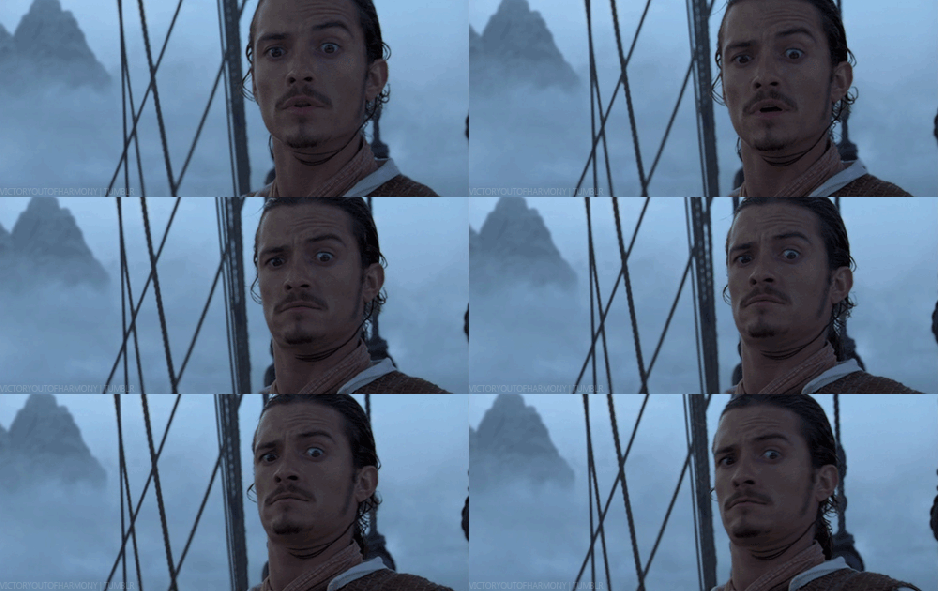
Over the course of the five films that make up this series there are many things that happen that in our reality would not be possible. From the very beginning of the first movie we are let known that curses and magic are real. This is evident even from the title: The Curse of the Black Pearl. Thus begins our education into this world. We are taken in to a time that existed (early to mid 1700’s) and a place that is real (the Caribbean) however the reality is altered from ours. Having Will Turner (Orlando Bloom) as our primary guide through the events of the first film, we learn as he does about the lives of pirates. To start, Turner is pretty landlocked in his life and does not know much about pirate culture. It is only once his love Elizabeth Swann (Kierra Knightly) is abducted by pirates does he get pulled in to the mysteries of the sea. We see with Will that curses are not to be trifled with and that they are indeed very real. Once out at sea, we learn that most of the terrifying tales told by sailors have some sort of basis in the sea’s reality. Monstrous creatures of lore like the Kraken do exist and the boogiemen of your dreams like Davy Jones are real and perfectly able to getcha! As we adventure along with Turner and Jack Sparrow (Johnny Depp) we almost become used to the fact that, yeah, of course they’re encountering monsters. Because of this I feel we almost become jaded in a sense through to the latest installment in which our leading lady Carina Smyth (Kaya Scodelario) is thrust into the mystical world that revolves around Jack Sparrow. There is a point when Carina finally sees something supernatural. She screams and runs out of the water and up the shore shouting that ghosts are real. An appropriate reaction, honestly.

This moment is what really got me paying attention to the world within these films. Because of this moment I realized how prevalent these mystical adventures are in the lives of our leading men and I realized something else too: they all take place far out at sea. We are along for the ride with these men seeing pirate royalty convene for a summit; witnessing undead men, monkeys, and sharks; boarding ships that have been sunk for hundreds of years. These things are very real in this world however there is a whole population who is unawares of their existence. This is a part of the rules of this world. Creatures whose presence cannot be explained shock those who are not used to them (which is again, appropriate). Even when a character becomes used to these things and is part of the pirate life there are still instances where one of them will see something and have wtf moment.

Pirates image

Another saga that I am currently immersed in is that of A Song of Ice and Fire. With five books published and seven total promised, George R. R. Martin has created a whole universe with its own precedence and standards. The history of Westeros and the surrounding lands extends for thousands of years and with one continent and many island countries, the make up of these lands is vast. In fact, there is so much history to cover that in addition to the primary novels that make up the saga ASoIaF, there are also several novellas that give us further knowledge of different times within this world that we come to know so well. Because there are many houses and each of them have their own pasts (in  addition to a global history of wars and times of peace) there is an endless amount of possibilities for characters we already know and for those whom we have not met. But again, it is not the characters that make the rules of the world.

Much like our world and that of the world in Pirates, there are laws of reality that must be followed. Due to the fact that there are many different cultures that we are encountering, there are several different realms in which people exist. Those who live in the far North have very different lives than those who live in the far South and very different again from those who are Dothraki or Lyseni. While there are many different realms there still is only one reality within which everyone operates. It is established within the prologue of the very first book that otherworldly magic exists but is not wholly understood by persons at large.

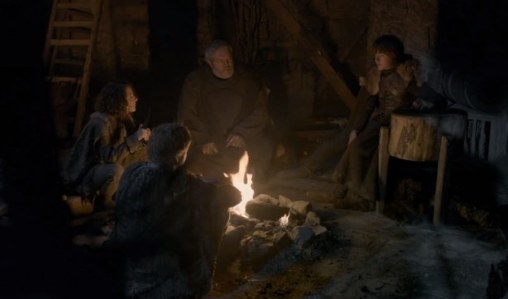
Something interesting that Martin has done in this land is to establish that there are old gods, ancient myths that revolve around the First Men; new gods, known as the seven; and a Lord of Light, who is very mysterious [and seems somewhat cultish]. I find this compelling as it is a small similarity to our own world in which many different religions and schools of thought exist. Because of this, we are able to see very quickly that the many different regions of this land operate under different beliefs. Most often the new gods are mentioned. Those who worship in this manner visit the Sept to pray to one god who is represented by seven faces seen as the Mother, Maiden, Warrior, Father, Crone, Stranger, and Smith. Each of these are prayed to for different reasons: to keep a son safe in battle, to keep a woman safe during childbirth, etc. Then there are the old gods, worshiped in the North by the first men and by some who live still. There is a magic in this belief; a connectivity to the forest and all its creatures. The wierwood trees in the forests and in the godswoods of castles and forts create a conduit of sorts for these gods to see through and be prayed to. Lastly, there is the Lord of Light, who is said to show his true believers the way if they stare into the flames of fires. The character Melisandre is who [largely] leads us through our knowledge of this particular religion and because it is not widely known or practiced in Westeros, many men distrust this vein of thought and see it as witchcraft. That last bit is interesting. The fact that the Lord of Light’s followers are mistrusted because of their “devil worship” or “sorcery” draws attention to the fact that magic is not something that is trusted in this land. The gods of old seemed to posses some magic but their times are long gone and there doesn’t seem to be any magic left in the world. That is, until dragons are born and a crippled boy becomes the keeper of knowledge past and present.

Aside from religion, there are other aspects of the world of Westeros that are outlined to establish the world. In battle, men die (whereas as pointed out above in the Pirates world, ghosts exist). There is a hierarchy that exists by which the land is governed. Despite the fact that there is a very large scale war going on for the Iron Throne, there is a system in place: lords, wardens, etc. Culture is explored through songs sung by bards and tales told around the campfire. It is fascinating to me how deep and rich the history of this land is.

GoT image

Getting lost in a world that is not our own is part of what makes reading and watching movies so compelling. We are able to escape our lives for a span of pages/the run time of a film and truly be somewhere else. The greatest storytellers create fully realized settings to further allow for this escape and totally submerse their audiences. While it might be easy to create a tale, coming up with the entire world is what makes the escape successful. Whether it is building the world from scratch (example: Lord of the Rings) or slightly altering our reality to make it their own (example: Inception), an author who takes the time to think out all aspects of their world is a skilled one indeed.

Atonement – 2007

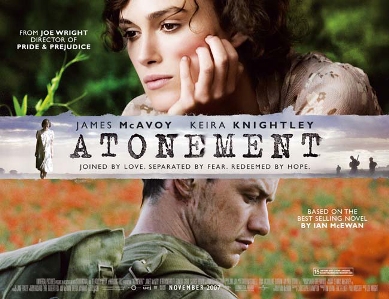
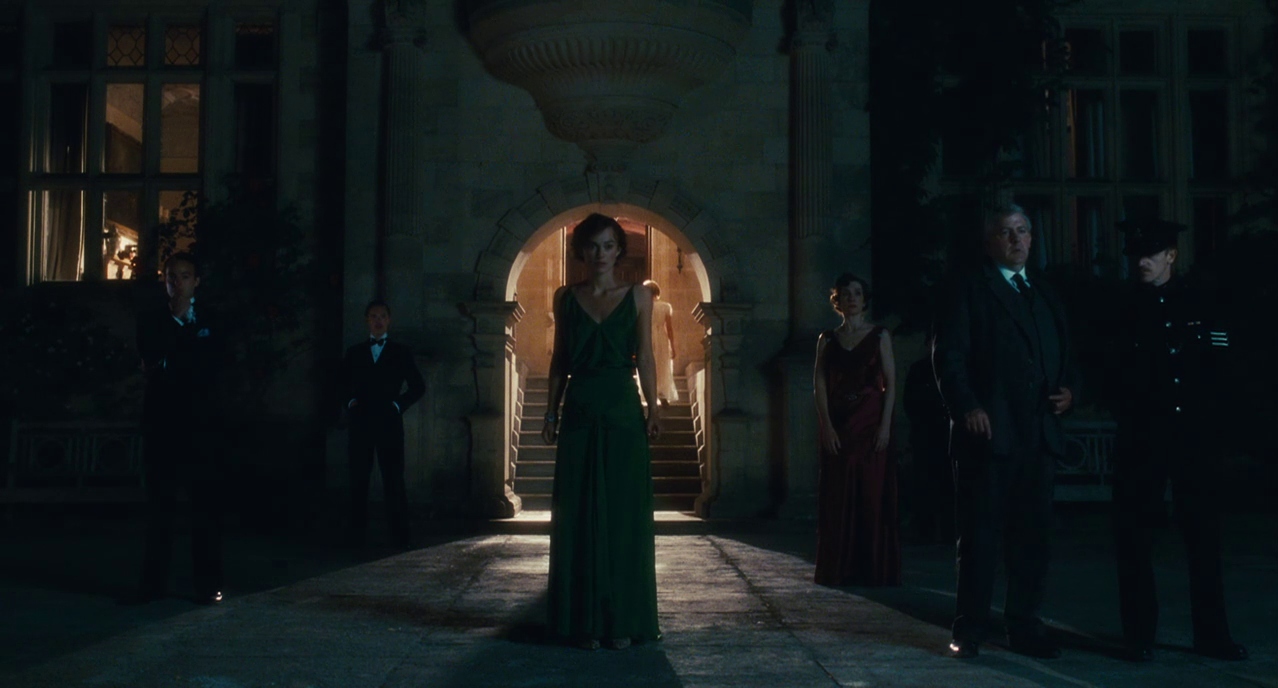
There was nothing on Netflix starring Audrey Hepburn that I haven’t already seen so I googled, “classics to watch on Netflix, current” and a list was summoned from the depths of the interweb. There were some good horror movies on said list that I definitely intend to go back and watch however that was not where my head was at. Scrolling down, I found what I was looking for: Atonement. Released in 2007, the film was adapted from the novel of the same name, published six years earlier by Ian McEwan. It met everything in my mental checklist: not set in the present, an amazing cast, and not a straightforward-spoon-fed romance. Holy shit lovelies, what a movie. What a journey.

Atonement tells the tale of what happens when a little lie turns into a bigger lie and the impact that has on those in the line of fire. What we learn first hand is that what you say matters and that even if you think you are a reliable narrator, you might not be. That doubt that you feel eats at you through life, through war, through death. Atonement tells us that there is no statute of limitations on taking responsibility for your actions.

We enter the lives of the Tallis family in 1935. Briony (Saoirse Ronan) is a young child shown from the start to have an active imagination. The film opens with her finishing a play she has been working on to be performed upon her brother’s visit home; younger cousins staying with the family are her unwilling actors. Having grown bored, said cousins exit Briony’s room. This is where the intrigue begins. Gazing out the window, Briony witnesses an encounter down in the yard, however, not having heard anything that passes between the two people involved, she is only able to infer in her youthful and fanciful brain what it was that occurred. Cut to the same scene, rewound, and told from the perspective of Cecelia Tallis (Keria Knightly) and Robbie Turner (James McAvoy). It is not an argument but instead an awkward encounter between two people who are unable and afraid to admit to their feelings for each other. Passion of a different kind from a different perspective.

Later that day, we are with Robbie as he writes several drafts of a letter to Cecelia; he is attempting to organize his thoughts. Finally satisfied, he puts paper in envelope and off he goes to deliver it. Spying Briony on the road, he asks her to run ahead and hand it off for him. It is only after she is gone from view that he realizes his terrible mistake, the wrong piece of paper had been sealed within. Of course, Briony rips open the envelope and reads the words that Robbie never intended for anyone to see. From this she links the “argument” she witnessed earlier and jumps to a horrible conclusion. There is too much adultness going on for her little mind to handle and she begins to form a very wrong sense of what is going on. We are privy to the fact that Robbie lets Cecelia know of this mistake, we are privy to their professions of love for each other, we are privy to the truth that alludes Briony.

Dinner is a brief and uncomfortable affair interrupted by the realization that the two youngest cousins have run away. The party breaks up to cover the estate’s grounds looking for them. It is during this search that Briony bears witness to the third act of the day that she does not understand and which overwhelms her. A character is molested and Briony witnesses the attacker running off without, as far as we can tell, clearly seeing his face. Again, conclusions are jumped to and when interviewed by the police she points fingers in the only direction she can think to point them. Robbie is wrongly accused of rape. However, due to his low station and Briony’s telling of events, Robbie’s protestations are not believed and he is thrown in prison.

Several years have passed as the next scene opens and we are in the middle of WWII in the heart of Germany. Robbie was given a choice, continue serving in jail or go out and serve for the country. Imagine being forced to war based on the lies of someone who just didn’t understand. It is here that we are brought to see the severe consequences of Briony’s actions and how they are impacting everyone in her life. Her sister has stopped talking to her; their childhood friend is fighting in the war; and she has foregone a classical education, seemingly fearing and cautious of the misery brought upon her by her imagination.

There is of course more to the story than the events I have just outlined. However, in an effort to avoid spoilers, I won’t say any more on the direct plot points of the tale. Instead I would like to touch on the importance of truth and the viewer/reader’s ability to rely upon the narrator. The whole truth and nothing but the truth is a hard thing to muster. Whose truth is it? Yours might be different than mine, does that mean that one of us is wholly wrong? Is truth subjective or objective? How do you know if something you think is true, actually is true? These are all important questions and not all are easily answered. Briony spends the rest of her life trying to make up for (atone for) her grievous mistake. If we had spent the whole movie viewing events from just Briony’s perspective, we would have no reason to think of her as anything but a reliable narrator. Although due to the fact that we also see things from Cecelia’s and Robbie’s perspectives, we know that our primary narrator is not fully knowledgeable about things to which she states with confidence and selfassuredness. We go through the rest of the film seeing the butterfly effect of one lie. We, along with Cecelia, are unable to tell if anything Briony says is “just the truth, no rhymes. No embellishments. No adjectives.”

In addition to the beautiful unfolding of the plot of this movie, the sound design is breathtaking. The film won an Oscar for best original score and rightly so. There is more to it though than just the music which is a mixture of compelling classical tunes relying heavily upon the piano and one or two note themes and the ambient sounds of everyday life. The twitter of birds in a wide open field. The hum of a plane far overhead. Most importantly and keenly throughout the film, the tap tap of a typewriter. This specific sound sets the tone in many scenes, either speeding up or slowing down to highlight the pace of the moment. Never before have I felt more aware of character’s surrounding due so heavily to the sense of sound. Hearing what they hear in a moment of otherwise silence pulls you farther in to the scene with them.

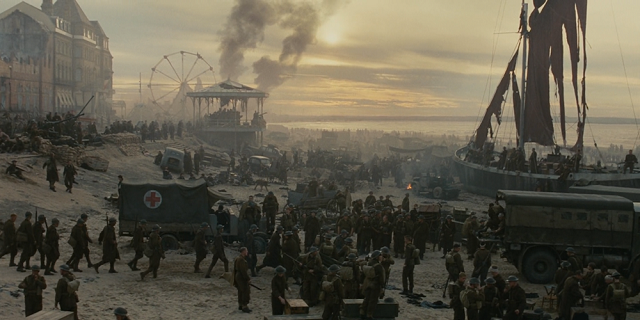
There is a scene on the beach of Normandy which is one long shot and the sounds that you hear as you follow Robbie and his fellows through the ravaged shore draw you so directly in: the shooting of horses that they can’t take with them, the cry of men and the silence of men, the songs being sung in loud chorus to comfort each other and get through to the next light of day. I realized by the end of the panning that I had been holding my breathe because I was feeling the same sense of hopelessness and dismay that had overcome those on screen. In addition to setting the emotional toll for the scenes, the music was also set nicely to match up with the changing of shots so that the pace your eyes kept was the same as the pace your ears kept.

The storytelling found within this movie is absolutely captivating. From the amazing cast to the heart-wrenching tale, Atonement is a movie that should surely be added to your must watch list. Be prepared to watch it though, not only is it heavy on the mind, it is also heavy on the run time clocking in at just over two hours. It is worth it my friends, oh is it worth it.

Penny Dreadful – Showtime

published penny dreadfuls

Gothic literature is a beautiful thing. So easily identifiable and so filled with hidden meanings, psychological and supernatural intrigue, and lessons to be learned. My undergraduate degree is in English Literature and I took more than one class on specifically Gothic Lit. My most frequently recalled example of the genre is The Yellow Wallpaper published in 1892 by Charlotte Perkins Gilman. Not only is the story itself a trip but it is also a work published by an American, proving that the genre is not solely ruled by the Europeans. Gothic literature has a rich history that spread across many countries in the mid to late 1800’s. Classic conventions of the genre include horror/supernatural elements, death, and the macabre. It often times includes a female protagonist who is dealing with some sort of psychological disorder. Many female writers of the time used the genre to have their voices and perspectives heard on issues that would otherwise be swept under the rug. There is typically a setting in these stories that takes on more characteristics than just a normal scene. Embodying histories and feelings and usually certain architectural elements, these settings become as much characters as the people within the stories. The literary scene in the 1800’s was booming with tales of the supernatural. From Mary Shelly’s Frankenstein (1818) to Bram Stoker’s Dracula (1897), and Oscar Wilde’s The Picture of Dorian Grey (1890) there was no need to look far for tales of monsters who walk among us. In these times, printing and publishing were very expensive and so stories were often serialized and published in magazines on a weekly or monthly basis. The stories would be eagerly anticipated and provide a brief escape from the world around them. In addition to these works, there were also shorter works published for pennies and made available to even the poorest of the poor. These penny works became known as penny dreadfuls for the gruesome and dreadful tales depicted within. Beginning in the 1830’s, penny dreadful tales included reprintings of classic Gothic literature such as The Castle of Otranto as well as new pieces of horror like Sweeny Todd: The Demon Barber of Fleet Street. 

Fast forward to the new millennium and people are still enraptured by tales with these dark and classic elements. Enter Showtime with their series Penny Dreadful. For three seasons we are taken through a classic Gothic tale all the while pulling in more and more of the characters that were made so famous in the 19th century.

Penny Dreadful cast

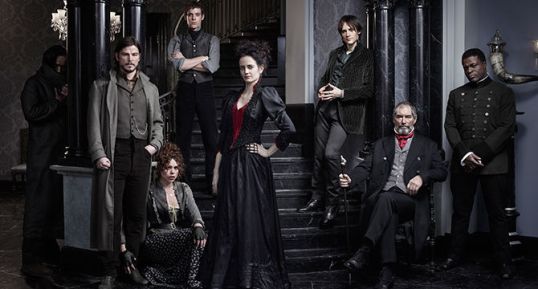
While this tale is being spun, we are introduced to Ethan Chandler (Josh Harnett), Ser Malcolm Murray (Timothy Dalton), and Vanessa Ives (Eva Green) as our three main characters. While these people individually are not part of the established canons of the tales from which the show draws, they make up the central ring of the spider’s web. Malcolm Murray’s daughter was Mina, a name that should sound more familiar to you. Mina has been missing for some time now and Vanessa, in the first season, begins getting these visions and feelings that Mina is trying to reach out to her. Thus begins the supernatural quest in this Gothic tale. Ethan Chandler becomes their gun for hire as Ser Malcolm and Vanessa begin to explore what is happening to Vanessa. Together, the three of them delve deep into psychic connections, seances, and the biggest quagmire of them all: the fight between good and evil. As our guides become more entrenched in this world, it is clear that they will be unable to unearth truth and answers by themselves. When Vanessa becomes fully possessed and in need of medical attention, the good doctor is called for. Enter Dr. Frankenstein (Harry Treadway). As the realization of other worldliness enters, so does the famous hunter Van Helsing (David Warner). The spider’s web broadens and so too does our scope of the supernatural in London. Between demonic fits, Vanessa is a part of high-ish society in London and one of her social circles brings her close to a beautiful and charming man. Dorian Grey (Reeve Carney) does not get much interaction with the other characters in the beginning aside from Vanessa however in the latter part of the series his immortality is matched by that of another character’s and the tragedy that unfolds in that story line is heart wrenching.

Witches appear, a wolf man is present, and a darkness is descending on London.

The ability of the writers to bring all of these characters from different Londons into the same time and place is really well done. With three seasons to complete their tale, the overarching plot is well paced and there are not really any loose ends by the time it wraps. What I loved most by the end is that you as the viewer are so clearly able to see that this is a tale of tragedy for everyone involved. There is love and there is death and everything that comes between. Part of what makes the tales of love so great is that they are not all strictly between one man and one woman as a conventional love story might portray. For example, Vanessa is not related by blood to Ser Malcolm however he loves her like a daughter and is supremely concerned with her well-being. Dr. Frankenstein shows a deeply reckless and morbid sense of love for his creations (of which there are ultimately three). His love is not responsible or ethical yet it is deep and honest and earnest. Frankenstein’s moral journey through the three seasons plays out without the knowledge of the three main characters and so his evolution is largely just between him and his creations. Vanessa’s love for and belief in Christ is a very important thread in this web as it allows for the entry point into our story of the war between God and the Devil. Dorian Grey’s love for himself and all things beautiful brings into the story questions of being comfortable with and loving yourself. He is alone even when in the midst of a crowd and there is a woman who enters who helps him relearn this lesson and realize the importance of self. Lily (Billie Piper), the woman I just mentioned, is an amazing and breath taking character. Her strength and will inspire women around her, who she draws in like the spider I keep referencing. She comes to us in season one as a whore, lowly and taken advantage of, and by the time she is reborn and brought back in to the world with a strike of lightening, you are able to see the layers and layers of trauma that haunted her in her past and shape who she is in the present.

Then there is death. Lots of it. Dracula, the Wolf Man, Frankenstein’s monsters, they are all in the city at the same time and woe is the human who gets in their way. The vampire feels no remorse for his kills. He is above humans and views them as pawns and food. However, the other two monsters I mention are creatures with deep awareness of and remorse for the kills they chalk up. One of them is unaware of his monster as the wolf takes over the human, blotting out the humanity which guides the man and letting in the animal instincts which make him a wolf. As we get deeper into the lore and backstory of the wolf and how he came to be, elements of American Indian histories are included and explained. This to me was very interesting as it was such a sharp deviation from the Victorian lore that had been the backbone of the story thus far. Frankenstein’s monster (Rory Kinnear) names himself John Clare after the poet and is a beautiful soul of a soulless creature. His journey is largely apart from the main tale as Dorian Grey’s is. We know nothing at the start of his tale of this man’s past. Who he was and how he had died is as much a mystery to us as it is to him. John Clare does some killing of his own out of rage and necessity of certain situations. Through his rage he learns that this ability to “turn in to a monster” really scares him. He looks enough the part, he doesn’t want to play it too. Deep down, he is a gentle soul who likes to read and loves poetry. We are able to see the hurt he feels when people are scared of him, the pain he feels when someone reels at the sight of his face. He is a walking tragedy in and of himself.

Penny Dreadful is one of those shows that seemed aware of it’s time frame and conscious of the arcs of each character. Thus, the story is a complete one with a defined beginning, middle, and end. A beautiful tale which breaks down how well we know ourselves, how we care for those around us, and how events in our lives effect those around us. Vanessa Ives’s awareness of everyone in this universe (she is the only character who has verbal interactions with every single other character) is a way for us all to see the chain reactions our actions have on those around us; she is the female protagonist with the psychological issues after all. The light and dark pull felt throughout the show is a constant reminder of the forces of good and evil at work within us all. Additionally, there are metaphors out the wazoo in this series, such as many scenes being shot in mirrors, the allusions to spirit animals, and the divine at work through humans. All of these elements make it a very successful telling of many Gothics we are already familiar with. What an amazing show, you guys. A definite must watch.

The Jackaby novels by William Ritter

** Tiny bits of spoilers lie beneath this sentence. **

There are times, lovelies, when a series seems harmless, there are times when a title sits on your shelves for months maybe even years and you give no second thought to it. There are times when you finally pick up one of those books and it is just as boring and uninteresting as you had thought. As avid readers, we get used to the spines on our shelves and whether we have read them or not, they are our trophies, our scores and finds, our prizes. Then there are other times, where you finally crack one of those spines and it sucks you in like spell has been cast. You are able to think of nothing but the characters and their adventures and when you do not have it open in front of you the book is still on your mind and in your head calling out to be reopened and dived into once more. The Jackaby novels are very very much the latter of those scenarios. I don’t think there are enough positive words in the English language for me to gush enough about how much I loved this four part series. But, for your benefit, I will try.

Abigail Rook (mentioned in the previous post regarding female leads) is our narrator over the course of these tales. As the series opens she is fresh off the boat from a failed paleontology dig and is in look of a fresh start – immediately establishing her as an adventerous woman. One of the first people she meets in New Fiddleham is Jackaby himself although it is not until a few chapters later that we are properly introduced to him. By the time he officially hires Ms. Rook to be his assistant we have already visited a crime scene with him and seen that Abigail is not as prim and proper as many other ladies of the time. She is incredibly observant and determined and as readers we get the sense very quickly that she is going to be a good and reliable narrator. R.F. Jackaby is a paranormal investigator and the world’s current Seer. It is his duty to use his Sight to keep the peace between [mostly] oblivious humans and the magical beings who secretly populate our world and exist among us. He has been at it for about 20 years and has made quite a name and life for himself in New Fidddleham. His offices and housing (as well as Abigail’s once she is hired) are in the house of a deceased woman named Jenny Cavanaugh. Jenny still presides in the house as the resident ghost and her emotional journey is really amazing. (More on that point in a bit.) These are our three main characters and their relationships to each other and with the magical community at large become central to the story…or is the story central to them?

One of the things that I think Ritter does so well in this work is that the overarching plot from start to finish is so cohesive. It is bananas! Something so simple and well structured makes the storytelling so amazing. As readers we first get hints of this larger thread that connects everything in book two. We are able to see that the events in book one weren’t the beginning and that strings have been being pulled puppet style for years. This type of tight knit, no lose ends story telling is refreshing in it’s simplicity (as I’ve already mentioned and will probably mention again). There are red herrings and twists and turns and if you really pay attention it is easily figured out but that is not the point. The point is that Ritter takes this tale as old as time of good and evil of us versus them and gives it a positive female perspective and makes it engaging for young readers. So far, all of these books (with the exception of 4 because it is brand new) have topped Year’s End lists and have been super positively received.

While there are many supernatural points in these stories, there are also parallels for very real issues. Many of our other worldly characters have glamours on themselves so that they appear human to the untrained eye. One character who does not have to do this is Charlie Cane/Barker as he is able to transform at will from a human to a (not naming his creature as it is a spoiler). While this ability allows him to lead a fairly undetected life, events in book one make it necessary for him to reveal his true self during which time townspeople see him and demonize him. The hatred and fear exhibited towards Charlie is only a prelude to the racial prejudice that many of the townspeople have once they find out there are many more fantastical beings among them. In a scene in book four, all of the jail cells are full of creatures who have done nothing wrong except not being human. There is no way to not draw a parallel to the segregation of our races here in America and the fear that many have of people and things who are different and unknown. What Jackaby shows us is that there is nothing inherently wrong with you for being different, we are all just who we are.

Another character who helps us see that it is okay to be who you are is Miss Lydia Lee. While Ritter never goes into explicit detail regarding labels, we are let known that Lydia Lee is a man who likes to dress as a woman. When we first meet her, she is being attacked physically and verbally by men who do not understand her; who are uncomfortable with her decision to live her life the way she has decided. What I thought was particularly amazing about this is that these stories take place in the early 1890s and I don’t feel like, when you go that far back in a setting, you see anyone represented who isn’t white and straight or black and a slave. The fact that Ritter takes the time to make it clear that Lydia is who she wants to be whether anyone else likes or understands it is really wonderful.

Lastly, as mentioned above, Jenny is another example of a larger metaphor. Jenny was murdered and her death plays largely in to the grand scheme of things once it becomes clear that so many “huh that was weird” occurrences start becoming connected. While Jackaby has tried many times over the years to help Jenny solve her murder and move on to the afterlife, a big issue in preventing this closure is that Jenny seems unable to leave the house. She is able to exist within the walls and is able to touch things/items that belonged to her in life but that is the extent of her physical capabilities. Once Abigail comes along, she and Jenny really get to work trying to help Jenny get out of this cycle of disappearing any time she tries to leave the house or dropping objects that aren’t or weren’t hers. This behavior seemed to me to be a metaphor for depression and a bit of agoraphobia. With the help and patience of Abigail she is able to overcome this. However, it is not an easy task and is by no means minimized or dismissed. Her peers are encouraging and inclusive even when Jenny is down on herself. This is super important and really compelling.

While these themes and metaphors are very important, something that is even more central is the building that Ritter does throughout both in terms of the world and it’s characters. We start with knowing as little about the world as Abigail does and through her eyes and Jackaby’s tutelage we gain perspective and become woke to the intricacies and magic surrounding us in every day life. We start off naive and unaware and become entranced and enlightened. There are histories alluded to and stories that exist in this world however it never feels like we are being preached to or talked at. Due to his insight Jackaby provides us with information on the world that Abigail might not have come by on her own. We are, at times, taken out of new Fiddleham and the into other communities (both of this world and the next) that are connected to the story, we are taken back in time in memories of characters. These flashbacks (and I hesitate to call them that as they are not cheesy exposition but well done exposition) provide an expansion not only of the world but of how each of these people fit in to it. Motivation is shown, not just action. By mid way through book one I was already longing to be  Abigail and Jenny’s best friend and to be part of Jackaby’s team. These are fully realized people with hopes and dreams and I that is not an easy thing to do nor is it always achieved by writers (especially so quickly).

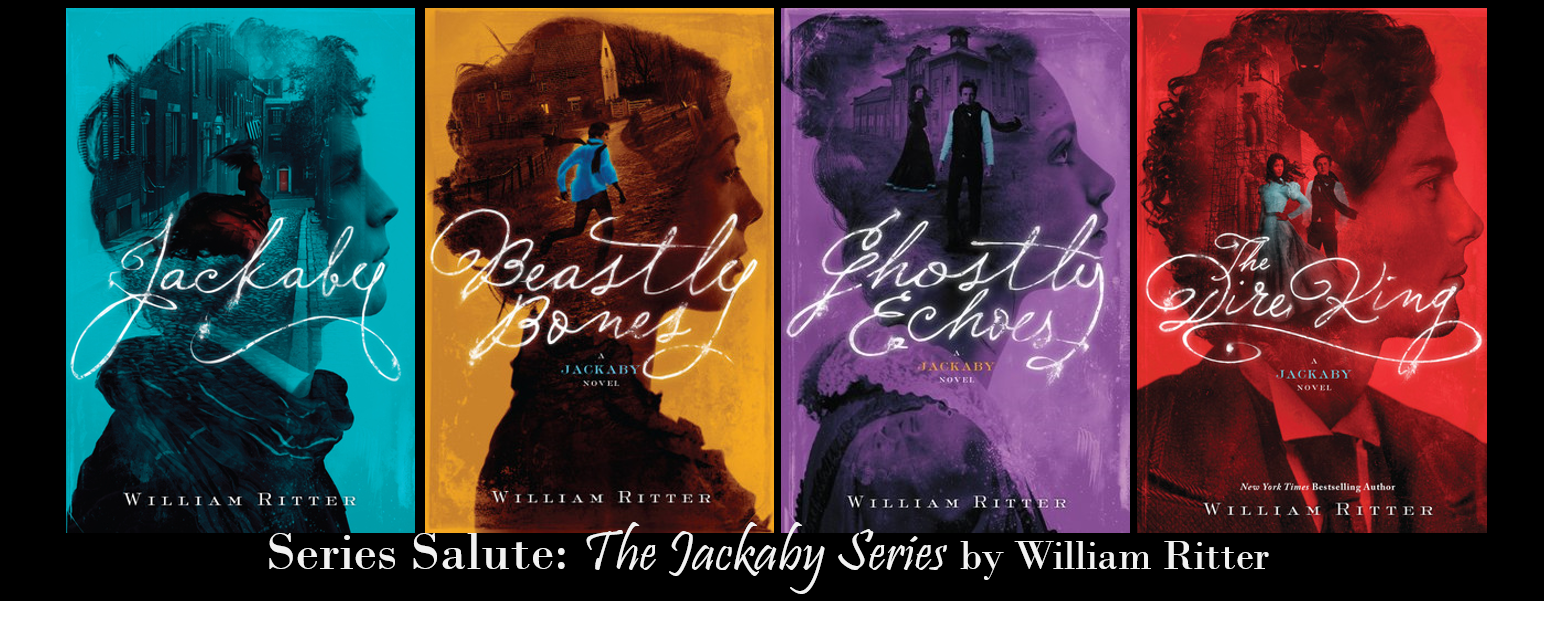
I think the last time I got this sucked in to a series and devoured it as quickly was two Christmases ago when my partner introduced me to Susan Collin’s The Underland Chronicles. These four books (Jackaby, Beastly Bones, Ghostly Echoes, and The Dire King) are impeccably written and really smart. As Jackaby says, “I have never found a book that did not have at least a little magic in it…They can’t help it.” If you are on the prowl for your next obsession, look no further!


The 5th Wave – Rick Yancey

the5thwavebook


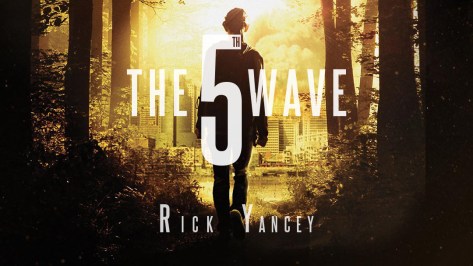
Well wasn’t May just a kick in the pants, lovelies?! Life was hectic in general but to top things off I was bookless for almost the whole month. I think I started like four or five different books. These are books that I will eventually read (…she tells herself) but I needed something with a hook. I needed a tale that captured me from go. You know, that feeling that you get when you open a book and 10 seconds later you’re 60 pages in? That book that calls to you when you’re not reading it…The 5th Wave did that to me. Rick Yancey does an amazing job weaving the overtaking of our planet. This book is horrifically terrifying. For example, are you currently not really a fan of birds? Do you think that angry children are actually super dangerous tiny humans? If you have fears like these, this book might be too much for you. But you should read it anyways because it is. That. Good.

Cassie Sullivan is our primary storyteller through whom we learn about the beginning of the end of the world. There have been four waves so far. First, all of the electricity went out. Second, massive earthquakes and tidal waves cause flooding of every coastline in the world. By this time three billion are dead. Next is a plague transmitted by birds that wipes out 97% percent of the population. As we walk through this world with Cassie, alone and terrified, we learn with her about what comes next in the invasion. It is, at this point still hard to imagine the magnitude of this end of days situation. As Yancey says in the book, a “single death is a tragedy; a million is a statistic.” The scope of this book narrows in and then zooms out again. So, many times, are you reading and just going through the pages and then you stop and reread a sentence and realize how truly horrible some of the things going on in this book are!

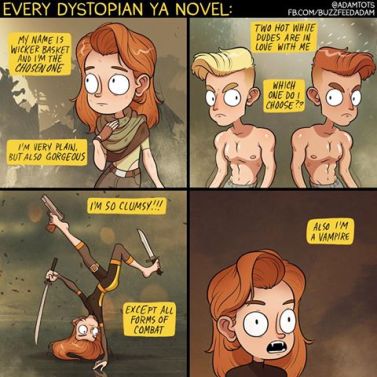
There are other strands of narration as well which add to the awareness of the horror. We get in the mind of an alien sniper, who wades through the aftermath killing any human he comes across; additionally you also have Cassie’s brother, someone she went to high school with, and a person who saves her. One element that creates and holds tension throughout is that They look like us (Obvi.) so even though you might know someone, how do you know you know them? You know what I mean? The whole book is like that!! Yes, if you really think hard you can figure it out as you go. But, if you’re just reading this to get excited about suspense that isn’t your standard Every-Distopian-YA-Novel a la:

YA Comic

then this is for you! I really was invested in each of these perspectives and what’s more, they didn’t spend their whole section/part being worried about “the girl” and not doing their own shit, as it is, ya know, the end of the world and what not. Themes of keeping promises and love being the primary driving force are present, yes. However, I thought they were done in great ways. There were times when I went, “oh come on!” when it was getting a little too formulaic but those issues straightened themselves out fairly quickly.

While we do get to see these other perspectives, I really appreciated getting to know Cassie’s voice. When we are first introduced to her she is on her own after her brother has been taken by uniformed men and her parents die during two different waves. She is trying to survive in a world in which, as far as she knows, she is the only one left alive. She is strong and focused after not having seen another person in weeks…or is it months? This uncertainty of time is something that Yancey plays around with very beautifully. Characters often think of time in relation to their actions and the happenings around them, seconds into eons when a bullet is speeding towards you, hours into years when you’re left alone in the dark. When you’re solo in the world, things can get screwy. The noticings about time are interesting in the end when you realize the grand scale of these aliens coming from who knows where and how far away…how long has this been in the works? And we as humans can only think in the smallest increments of time.

In addition to the time talk, there is often weighty, lofty things that only get said in books and movies that are somehow just on this side of okay. For example,

“Cassie Sullivan didn’t run…He could see the familiar look of fear in her eyes, a look he had seen a hundred times, the look we give back to death when death looks at us. “

Is quickly followed by,

“His heart, the war.

Her face, the battlefield.”

But it is all okay! I’m fine with goofy lines if the story is strong and the people have good solid reasons to be on these “missions” that they are invariably always on.

The gravitas of what these kids go through – because they are all kids – is disturbing. Imagine all of the adults in the world dying and the kids being taken in by some sort of military unit and being trained to hunt. They don’t know if they are being told the truth (and neither do you), nor are they old enough to really question things. Over the course of the fourth wave, you again realize what is going on and have to occasionally re-read paragraphs. Whether they are made to do these things by humans or Others, going through dead bodies and “processing” thousands for cremation is not something that should be on an eight year old’s to do list. Neither, for that matter, should weapons training and emergency medical/tactical care be subjects that should be taught to six year olds. You realize that these children, who are now parentless, are being guided by people who are not at all concerned for their well being or what is best for them. They are being trained brainwashed to kill. These horrors of the day keep tolling up and these kids are so glad to no longer be on their own in the middle of an alien invasion that they believe everything they are told!

Over the course of the entire book, you think for a section that you have something figured out and then the next chapter can go two ways: you could be wrong or you could be right which is sometimes even more scary. I haven’t read any of Yancey’s other works so I don’t know if he is just always good at suspense but man alive I am glad I fell into this book. There two books which round out the trilogy and I am anxious to start the second. I do know that there is a film that was made on the book in 2016 and I have heard nothing but terrible things about it so I haven’t as much as even seen the trailer. I wanted nothing to taint my experience of the book. This is an action that I am grateful for. There is also a lesson in that: don’t just watch dystopian thrillers. Read them. For an adventure that takes you to the end of the world and frequently punches you in the gut, pick up The 5th Wave.